The Ultimate Guide to Sourcing Grow Lights from China
Here’s a question I hear increasingly often from commercial growers, vertical farming developers, and agricultural procurement professionals: “We want to scale our indoor growing operations and need high-quality, energy-efficient lighting, but the domestic prices are eating into our margins. Can we safely source commercial-grade grow lights from China without risking crop failure or compliance issues?”
The answer is a resounding yes. China is not just a manufacturing powerhouse; it is the global epicentre of LED technology and agricultural lighting innovation. Whether you are outfitting a massive commercial greenhouse, designing a vertical farm, or supplying equipment to hydroponic enthusiasts, sourcing grow lights directly from China offers an unparalleled combination of advanced technology, customisation, and cost-effectiveness.
This comprehensive guide will walk you through everything you need to know, from understanding the complex world of light spectrums and industry standards, to finding the right manufacturer and managing the logistics of your import journey.
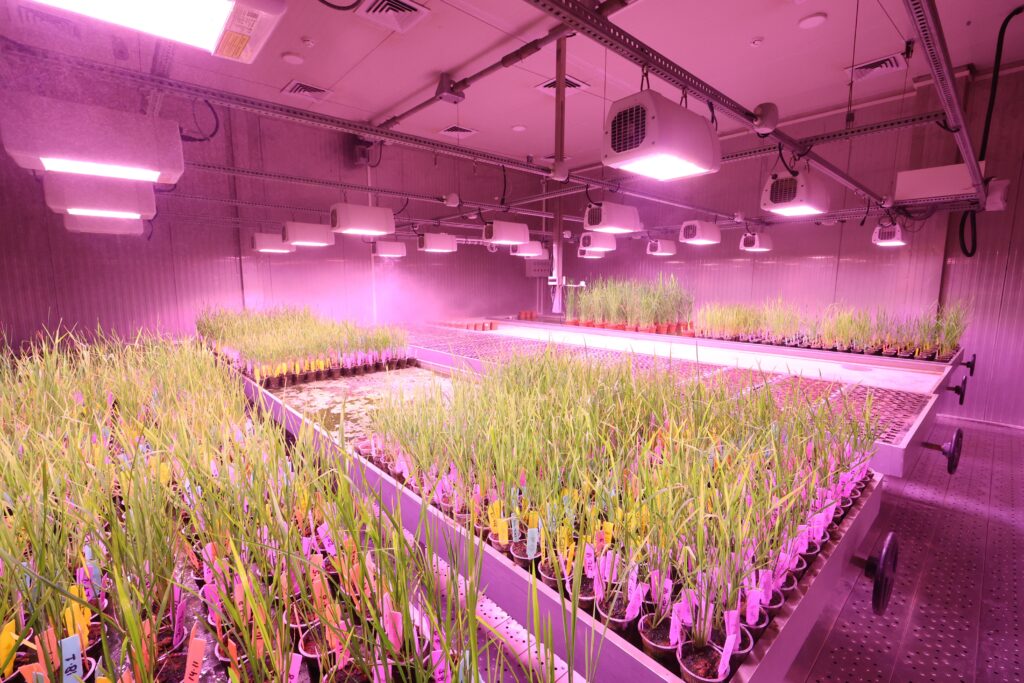
Table of Contents
Part 1: The Basics: What Are Grow Lights and Why Do They Matter?
Before we dive into the intricacies of international procurement, it is crucial to understand exactly what we are dealing with. Grow lights are specialized artificial light sources designed specifically to stimulate plant growth by emitting an electromagnetic spectrum appropriate for photosynthesis.
The Shift in Modern Agriculture
In the past, agriculture was entirely at the mercy of the weather, seasons, and geographic location. Today, grow lights have revolutionized how we produce food, medicine, and ornamental plants. By replicating—and often optimising—natural sunlight, these fixtures allow plants to thrive in entirely enclosed indoor environments, regardless of what is happening outside.
Where Are Grow Lights Used?
- Commercial Vertical Farms: High-density, multi-tier indoor farms that rely 100% on artificial lighting to grow leafy greens and herbs year-round.
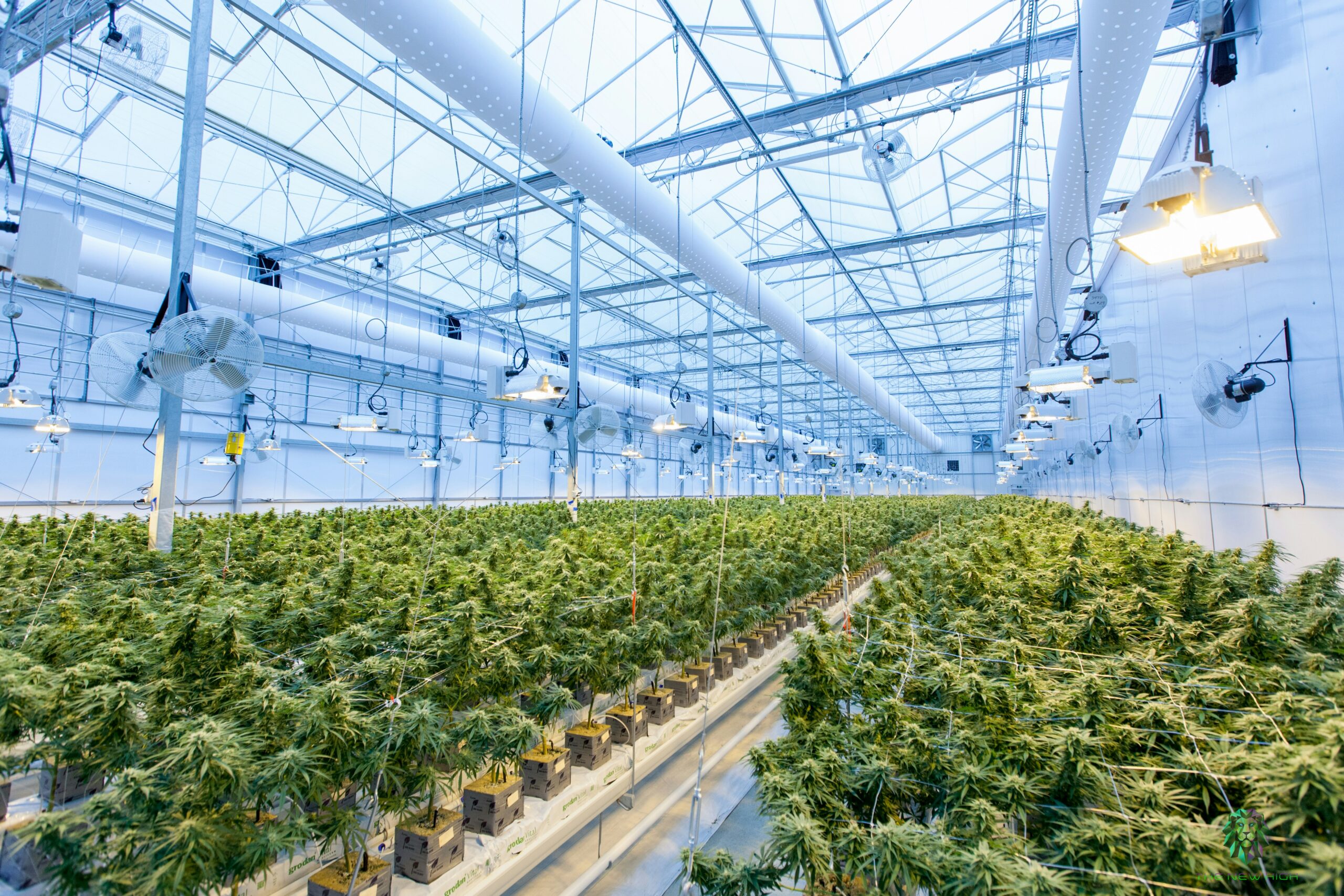
- Commercial Greenhouses: Facilities that use artificial lights to supplement natural sunlight, thereby extending the growing season through the dark winter months and increasing overall yield.
- Research and Development Facilities: Agricultural universities and corporate research labs that require precise, controllable environmental conditions to study plant genetics and crop resilience.
- The Cannabis Industry: Highly regulated commercial grow operations that demand specific, potent light spectrums to maximise the yield and chemical profile of their crops.
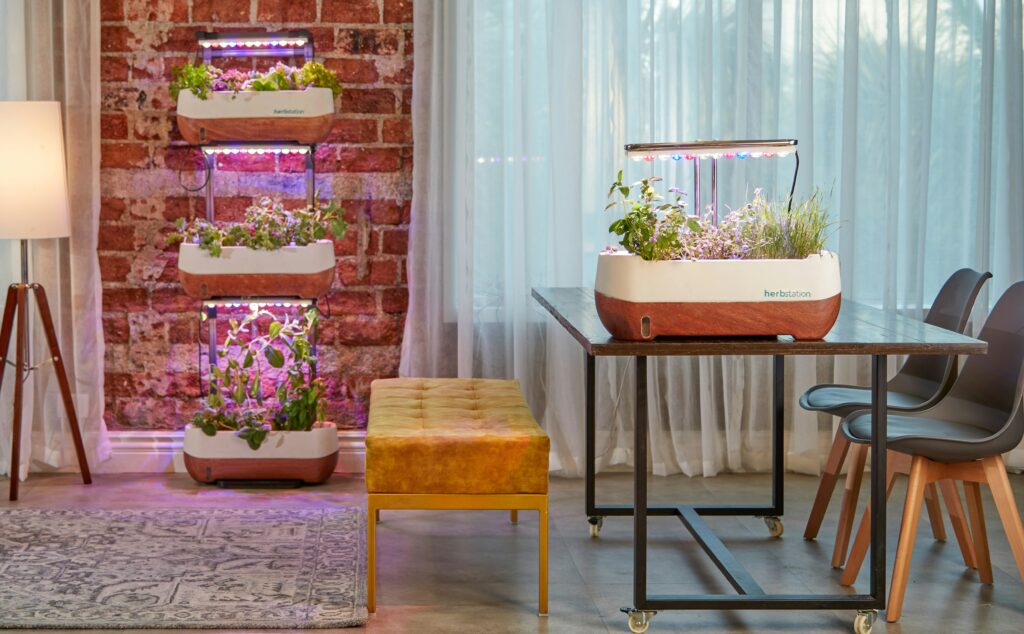
- Home Gardening and Hydroponics: A rapidly expanding consumer market of hobbyists cultivating exotic plants, indoor vegetables, and automated home-grow tents.
When you source grow lights, you are not just buying a lightbulb; you are buying the very energy source that dictates the success or failure of a biological process. That is why getting the quality and specifications right is absolutely critical.
Part 2: Types of Grow Lights Available in China
The Chinese manufacturing market is incredibly diverse, producing every type of grow light imaginable. Understanding the different technologies available is the first step to making a smart purchasing decision. Here is a breakdown of the primary options you will encounter.
1. LED (Light Emitting Diode) Grow Lights
LEDs are currently the undisputed kings of the grow light market. Chinese manufacturers, particularly those in the Shenzhen technology hub, are at the forefront of LED innovation.
- How they work: They use semiconductor diodes to produce light.
- Why they are popular: They are incredibly energy-efficient, produce very little excess heat (meaning you spend less on cooling your grow room), and offer highly customisable light spectrums. You can literally tune the light to give a plant exactly the ‘colour’ of light it needs for the vegetative or flowering stage.
2. HID (High-Intensity Discharge) Grow Lights
For decades, HID lights were the industry standard before LEDs took over. They are still widely manufactured in China and used globally for their sheer brute power. HID is an umbrella term that covers two main types:
- HPS (High-Pressure Sodium): Emits a heavy red/orange spectrum. This mimics the autumn sun and is fantastic for the flowering and fruiting stages of plant growth.
- MH (Metal Halide): Emits a blueish/white spectrum, mimicking the spring sun, making it ideal for the vegetative, leafy growth stage.
3. CMH (Ceramic Metal Halide) Grow Lights
Often referred to as LEC (Light Emitting Ceramic), CMH lights are a newer, more efficient iteration of traditional HID lighting.
- How they work: They use a ceramic arc tube instead of a quartz one, allowing them to burn hotter and produce a spectrum that is remarkably close to natural sunlight.
- Why they are popular: They offer a fantastic middle-ground—more efficient and cooler than traditional HPS, but with a broader light spectrum than many entry-level LEDs.
Grow Light Technology Comparison
| Feature | LED Grow Lights | HID (HPS & MH) | CMH (Ceramic Metal Halide) |
| Energy Efficiency | Extremely High | Low to Moderate | Moderate to High |
| Heat Output | Very Low | Very High (requires cooling) | Moderate |
| Lifespan | 50,000 to 100,000 hours | 10,000 to 20,000 hours | 20,000 to 25,000 hours |
| Upfront Cost | High | Low | Moderate |
| Best For | Vertical farming, all-stage growing, energy-conscious operations | Large commercial setups wanting high canopy penetration | Growers wanting full-spectrum, natural sunlight replication |
Pro Tip: If you are unsure which technology to invest in, LED is generally the safest and most future-proof bet. The initial investment is higher, but the long-term savings on electricity and replacement bulbs make it the preferred choice for 90% of modern commercial setups.
Part 3: The Benefits of Sourcing Grow Lights from China
You might be wondering, “Why should I go through the effort of importing from China when I can just buy from a local distributor?” The answer comes down to competitive advantage.
1. Unbeatable Cost-Effectiveness
Let’s address the most obvious benefit first. When you buy from a local wholesaler, you are paying for the product, the shipping to your country, the wholesaler’s warehouse fees, their marketing, and their profit margin. By going direct to the manufacturer in China, you bypass all these middlemen. You can often source identical—or even superior—units for a fraction of the domestic retail price.
2. Massive Manufacturing Capacity
Whether you need 50 units for a boutique greenhouse or 5,000 units to outfit an industrial vertical farm, Chinese factories have the scale to handle your order. They benefit from established supply chains, raw material availability, and highly efficient production lines that simply do not exist at the same scale anywhere else in the world.
3. Advanced Customisation Options
This is where sourcing direct truly shines. Chinese manufacturers do not just pull boxes off a shelf; they are often willing to build exactly what you need. Need a specific ratio of red to blue diodes? Need your company’s logo stamped on the casing? Need custom daisy-chain power cables for easier installation? Factories in China are highly accommodating to OEM (Original Equipment Manufacturer) and ODM (Original Design Manufacturer) requests.
4. Cutting-Edge Innovation
The outdated stereotype of China producing “cheap knock-offs” is entirely inaccurate in the commercial lighting sector. Cities like Shenzhen and Guangzhou are Silicon Valley equivalents for hardware and LED technology. Chinese engineers are pioneering new advancements in diode efficiency, thermal management, and smart-lighting controls (such as Bluetooth-enabled spectral tuning).
Part 4: Your Sourcing Strategy: Why China and Where to Look
To successfully import from China, you need a strategy. You cannot just search Google, click the first link you see, and wire thousands of pounds to a stranger.
Key Manufacturing Hubs
When sourcing lights, location matters. You want to focus your search on regions that have mature supply chains for electronic components.
- Shenzhen (Guangdong Province): The undisputed global capital of electronics and LEDs. If you are looking for high-end, technologically advanced LED grow lights, this is where your supplier should ideally be located.
- Guangzhou (Guangdong Province): Another massive hub for commercial lighting and agricultural tech.
- Zhongshan (Guangdong Province): Famous as the “Lighting Capital of China.” While historically known for decorative lighting, many factories here have expanded into commercial and agricultural fixtures.
- Ningbo (Zhejiang Province): Excellent for broader commercial and industrial electrical components.
Trading Companies vs. True Manufacturers
When you browse platforms like Alibaba or Global Sources, you will encounter two types of businesses:
- Manufacturers (Factories): They actually make the product. They offer the best prices and customisation but often require higher Minimum Order Quantities (MOQs).
- Trading Companies: Middlemen who source from factories and sell to you. They have lower MOQs and might speak better English, but they add a markup and have less control over the actual production line.
Pro Tip: For large commercial orders, you almost always want to deal directly with a factory. Ask to see their ISO 9001 certification and a video tour of their production line to verify they are a true manufacturer.
Part 5: Step-by-Step Guide to Sourcing and Ordering
Sourcing from China is a process. Follow these steps methodically to protect your investment and guarantee a successful import.
Step 1: Define Your Specifications (Be Obsessively Detailed)
Before contacting anyone, know exactly what you want. “I need some good LED grow lights” is a terrible brief. You must specify:
- Wattage (e.g., 600W, 1000W)
- PPFD (Photosynthetic Photon Flux Density) requirements
- Spectrum needs (Full spectrum, vegetative, flowering)
- Diode brands (e.g., Samsung LM301B, Osram—specifying high-end diodes ensures longevity)
- Input voltage (ensure it matches your country’s grid, e.g., 230V for the UK)
- Required certifications (CE, RoHS, UL)
Pro Tip: Create a formal specification sheet (Spec Sheet) in PDF format to send to potential suppliers. This shows you are a professional and weeds out factories that cannot meet your technical demands.
Step 2: Identify and Shortlist Suppliers
Use B2B directories, attend trade shows (like the Canton Fair or Guangzhou International Lighting Exhibition), or use a professional sourcing agent. Shortlist 5 to 10 potential suppliers based on their company history, location, and communication skills.
Pro Tip: Pay close attention to how quickly and clearly they respond to your initial emails. If communication is a struggle now, it will be a nightmare when something goes wrong on the production line.
Step 3: Audit and Vet the Factory
Never take a supplier at their word. You must verify their legitimacy. Check their business licenses, export records, and quality management system certificates.
Pro Tip: If you cannot visit the factory in person (which most people cannot), hire a third-party inspection agency or a sourcing partner like WeDoImport to conduct a factory audit on your behalf before you send a single penny.
Step 4: Request and Test Samples
Never skip this step. Once you have narrowed it down to 2 or 3 suppliers, pay for samples and have them shipped to you by air freight. Yes, sample pricing and shipping are expensive, but it is the cheapest insurance policy you will ever buy.
- Test the light’s actual power draw at the wall (does it match the advertised wattage?).
- Use a PAR meter to test the light intensity.
- Check the build quality, the heat sinks, and the waterproofing seals.
Pro Tip: Factories will often send their absolute best “golden sample.” Keep this sample safe; it will serve as your benchmark to ensure the final mass-produced order matches the promised quality.
Step 5: Negotiate Terms and Contracts
Do not just negotiate on the unit price. Negotiate the entire package:
- Incoterms: Will it be FOB (Free On Board) or EXW (Ex Works)? FOB is usually preferable as the factory handles local Chinese logistics and export clearance.
- Payment Terms: Standard is 30% T/T (Telegraphic Transfer) upfront deposit, and 70% balance after inspection but before shipment. Never pay 100% upfront for a mass order.
- Warranty: Push for a 3 to 5-year warranty, which is standard for high-quality LEDs.
Pro Tip: Have a formal, bilingual Purchase Order (PO) or contract drafted that clearly outlines the specifications, penalties for late delivery, and quality standards.
Step 6: Production and Quality Control
Once the 30% deposit is paid, production begins. Stay in touch with your sales rep and ask for photos and videos of the production process.
Pro Tip: Book a Pre-Shipment Inspection (PSI). Send an independent inspector to the factory when 100% of the goods are manufactured and at least 80% are packed. They will randomly select boxes, test the lights, check the packaging, and ensure everything matches your golden sample.
Step 7: Logistics and Customs Clearance
Once the goods pass inspection, pay the 70% balance and initiate shipping. You will need to decide between Sea Freight (cheaper, takes 4-6 weeks) or Air Freight (expensive, takes 5-7 days). Ensure your supplier or your freight forwarder provides all necessary documentation (Bill of Lading, Commercial Invoice, Packing List, and Certificates of Origin).
Pro Tip: Customs clearance can be complex. Always work with a licensed customs broker in your home country to ensure your goods aren’t delayed at the port due to missing paperwork.
Part 6: Important Considerations: Quality, Compliance, and Common Mistakes
When importing electrical goods that will run for 12-18 hours a day in a humid environment, you cannot afford to cut corners. Here are the critical factors that separate successful importers from those who lose their shirts.
1. Certifications and Compliance
This is non-negotiable. If you import non-compliant electronics and they cause a fire, your insurance will not cover you, and you could face severe legal consequences.
- For the UK and Europe: Ensure the lights have valid CE marking and RoHS (Restriction of Hazardous Substances) compliance. You will also now need UKCA for the British market.
- For North America: Look for UL (Underwriters Laboratories) or ETL listings. These prove the product has passed rigorous safety standards.
- Beware of Fake Certificates: Some unscrupulous suppliers will use Photoshop to alter certificates. Always ask for the test reports and verify the certificate numbers on the issuing laboratory’s official database.
2. The Truth About Grow Light Metrics (Don’t Be Fooled by “Watts”)
Many novice buyers focus entirely on the “Wattage” of a light. In the LED world, wattage only tells you how much electricity the fixture consumes, not how much usable light it produces for the plant.
Instead, you must look at PAR (Photosynthetically Active Radiation) and PPFD (Photosynthetic Photon Flux Density).
- Efficacy (μmol/J): This measures how efficiently the light converts electrical energy into photosynthetically active photons. High-quality Chinese LEDs will boast an efficacy of 2.5 to 3.0 μmol/J or higher. Always verify these claims during your sample testing phase.
3. Thermal Management and IP Ratings
Grow rooms are hot, humid, and frequently sprayed with water.
- Heat Sinks: LEDs degrade quickly if they get too hot. Ensure the fixture uses high-quality aluminium heat sinks to dissipate heat passively.
- IP Rating (Ingress Protection): Your lights should ideally be IP65 rated or higher, meaning they are completely protected from dust ingress and can withstand low-pressure water jets from any direction.
Common Mistakes to Avoid
- ❌ Chasing the absolute lowest price: If a quote is 40% cheaper than all the other factories, they are using substandard, dangerous components. You get what you pay for.
- ❌ Failing to communicate clearly: Assuming the factory “knows what you mean” is a recipe for disaster. Document everything in writing.
- ❌ Skipping the pre-shipment inspection: Trusting the factory to inspect their own work is like letting a student mark their own exam. Always use a third party.
Part 7: Final Thoughts
Navigating the landscape of Chinese manufacturing can initially feel like walking through a minefield blindfolded. However, when approached with the right knowledge, diligence, and strategic planning, sourcing grow lights from China is an incredibly lucrative and rewarding endeavour.
The agricultural industry is shifting indoors, and the demand for efficient, reliable artificial lighting is only going to skyrocket. By understanding the technologies, verifying your suppliers, strictly enforcing quality control, and navigating compliance requirements, you can secure world-class grow lights that elevate your projects, drastically reduce your capital expenditure, and give your business a massive competitive edge.
Remember, successful importing is not about finding the cheapest supplier; it is about building a sustainable, reliable partnership with a manufacturer that prioritises quality just as much as you do.
How We Do Import Can Help You
Sourcing complex electronics like commercial grow lights from China is a complicated process filled with technical nuances and potential pitfalls. As a professional sourcing partner, We Do Import simplifies this journey for you, acting as your eyes, ears, and advocates on the ground in China.
Our full-service solution includes:
- Supplier Identification & Verification: We bypass the middlemen and connect you directly with reputable, vetted LED manufacturers with proven export experience to the UK, US, and Europe.
- Due Diligence & Factory Audits: We physically verify supplier credentials, inspect their production lines, and audit their quality control systems before you spend a penny.
- Quality Control & Inspections: We conduct rigorous, independent pre-shipment inspections to guarantee your grow lights meet your exact PPFD requirements, IP ratings, and electrical safety standards.
- Price Negotiation: We leverage our local presence and industry knowledge to secure competitive pricing and highly favourable terms on your behalf.
- Sample Management: We coordinate the rapid prototyping, testing, and review of light samples.
- Logistics & Customs Support: We manage the entire supply chain, from sea freight booking and insurance to complex customs compliance, ensuring a smooth, headache-free import process.
Our expertise ensures you receive highly efficient, compliant, and durable grow lights without the risks, stress, and costly mistakes of managing the process alone.
Frequently Asked Questions (FAQs)
1. How do I know if the LEDs used in the grow lights are genuinely high quality?
The best way is to request lights built with branded diodes, such as Samsung (e.g., LM301B/H) or Osram, and ask for the supplier’s purchase records to verify they are using authentic chips. Secondly, thorough sample testing using a PAR meter will reveal if the light output matches the high-quality claims.
2. What is the typical Minimum Order Quantity (MOQ) for grow lights?
MOQs vary heavily. Trading companies might let you buy 10 to 50 units. True factories manufacturing custom, commercial-grade fixtures usually require an MOQ of 100 to 500 units, depending on the complexity of the customisation required.
3. Do Chinese manufacturers offer warranties on grow lights?
Yes, reputable manufacturers offer warranties ranging from 3 to 5 years. However, enforcing a warranty internationally can be tricky (shipping broken units back is expensive). It is usually better to negotiate for the factory to send extra spare parts (like drivers or LED boards) with your initial shipment to handle any future repairs locally.
4. Will my grow lights get stuck in customs?
They shouldn’t, provided you have the correct documentation. Delays usually happen due to missing CE/UL certificates, incorrect HS (Harmonised System) codes, or improperly declared commercial invoices. Working with a professional sourcing agent or a skilled customs broker eliminates this risk.
5. How long does the entire sourcing and shipping process take?
From initial contact to final delivery, you should realistically budget 2 to 4 months. This includes sourcing and vetting (2-3 weeks), sample testing (2-3 weeks), mass production (3-5 weeks), and sea freight shipping to your destination (4-6 weeks).
6. Can I get a customised spectrum for specific crops like medicinal cannabis or specific herbs?
Absolutely. Many top-tier Chinese manufacturers specialise in spectrum tuning. If you provide them with your required ratio of red, blue, green, UV, and IR light, they can customise the LED board layout to meet the specific biological needs of your crop.
7. Why shouldn’t I just buy from Alibaba directly?
Alibaba is a great directory, but it is not a fail-safe marketplace. It is filled with trading companies posing as factories, exaggerated product claims, and fake certifications. Navigating it requires significant due diligence. Using a professional sourcing partner ensures you are protected from scams and receive precisely what you paid for.
Ready to scale your indoor growing operations and significantly reduce your procurement costs? Contact the team at WeDoImport today, and let us handle the heavy lifting of your China sourcing journey.
Leave a Reply