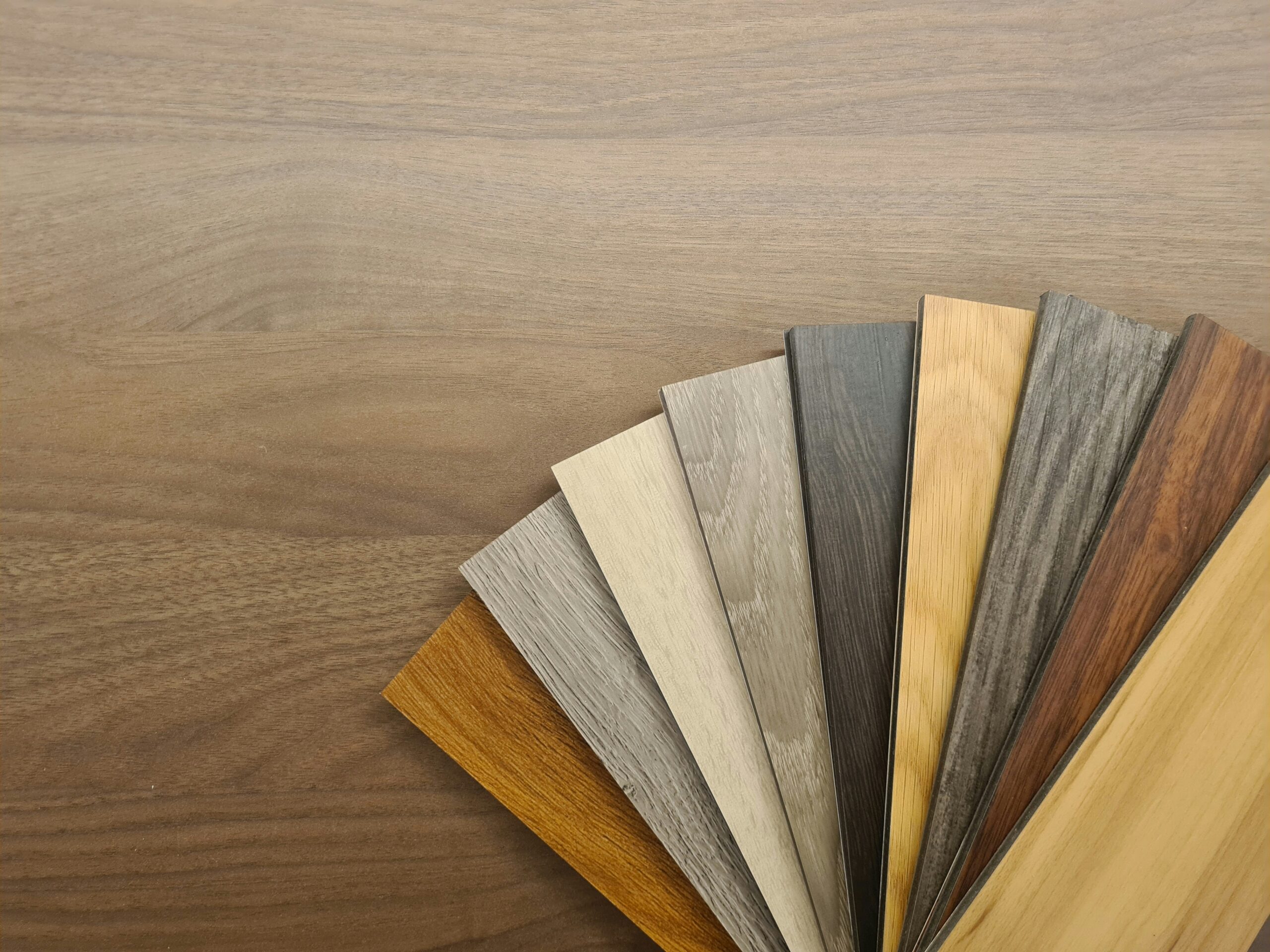
Melamine vs. Laminate: A Comprehensive Guide for Furniture Sourcing
Here’s a question that comes up a lot in conversations with furniture manufacturers, kitchen cabinet makers, and interior designers: “I’m sourcing materials from China, but I’m confused about the difference between melamine and laminate. Which one is better for my project?”
The answer depends on your specific needs—budget, durability requirements, design preferences, and the intended use of the finished product. Both melamine and laminate are engineered surfaces that offer cost-effective alternatives to natural wood or stone, but they have distinct characteristics that make them suitable for different applications.
This guide provides a detailed comparison of melamine and laminate, their pros and cons, and practical advice on sourcing these materials from China.
Table of Contents
What Is Melamine?
Melamine is an engineered material created by combining melamine resin with formaldehyde. This mixture forms a thermosetting plastic that is exceptionally strong, durable, and resistant to scratches, heat, and moisture.
Key Characteristics:
- Composition: Melamine resin is dissolved and combined with formaldehyde, then heated and pressed onto a substrate, typically particleboard or medium-density fiberboard (MDF).
- Appearance: Available in a wide variety of colors, patterns, and finishes. Advanced printing technology allows it to mimic natural materials like wood grain or stone.
- Common Uses: Kitchen cabinets, countertops, shelves, furniture, and decorative panels.
Advantages of Melamine:
- Cost-effective
- Resistant to scratches, moisture, and stains
- Available in many colors and patterns
- Easy to clean and maintain
- Lightweight compared to solid wood
Disadvantages of Melamine:
- Can chip or crack under heavy impact (brittle)
- Less heat-resistant than laminate (hot items can cause burn marks)
- May have a flatter, less convincing appearance than high-end laminate
What Is Laminate?
Laminate is a synthetic material made by bonding multiple layers of paper or fabric with resin under high pressure and heat. This process creates a dense, hard-wearing surface that is highly resistant to scratches, stains, and heat.
Key Characteristics:
- Composition: Multiple layers of kraft paper impregnated with phenolic resin form the core, topped with a decorative layer and a clear protective overlay.
- Appearance: Offers an extensive palette of colors, patterns, and textures. High-resolution printing technology can replicate natural materials with remarkable accuracy.
- Common Uses: Countertops, flooring, wall panels, furniture, and high-traffic commercial surfaces.
Advantages of Laminate:
- Highly durable and impact-resistant
- Superior heat resistance
- Resistant to fading, staining, and moisture
- Extensive design options, including textured finishes
- Long-lasting with proper care
Disadvantages of Laminate:
- Generally more expensive than melamine
- Can be more challenging to repair if damaged
- May be heavier than melamine
- Textured surfaces may require more careful cleaning
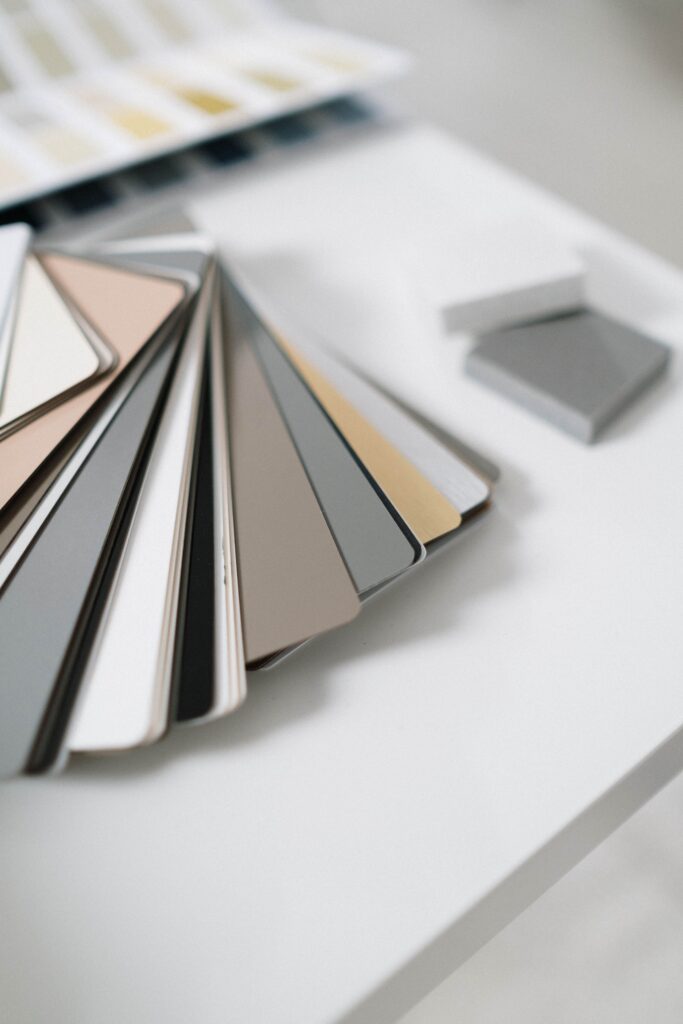
Key Differences Between Melamine and Laminate
Understanding the differences between these two materials is crucial for making the right sourcing decision.
| Feature | Melamine | Laminate |
|---|---|---|
| Composition | Single layer of melamine resin bonded to a substrate (MDF/particleboard) | Multiple layers of paper/fabric impregnated with resin, fused under high pressure |
| Durability | Good, but can chip or crack under impact | Excellent, with greater impact and scratch resistance |
| Heat Resistance | Moderate (can burn or discolor with direct heat) | High (more resistant to heat damage) |
| Cost | Generally more affordable | Typically more expensive |
| Appearance | Wide variety of colors and patterns | Wider variety, including highly realistic textures and high-resolution prints |
| Maintenance | Easy to clean; avoid abrasive cleaners | Easy to clean; textured surfaces may need more attention |
| Common Applications | Cabinetry, shelving, affordable furniture | Countertops, flooring, high-use commercial furniture |
Applications: Where to Use Each Material
Melamine is Best For:
- Budget-conscious residential projects
- Cabinetry and shelving in low-to-moderate use areas
- Furniture where cost is a primary factor
- DIY and flat-pack furniture
Laminate is Best For:
- Kitchen countertops and high-heat areas
- High-traffic commercial spaces (hotels, restaurants, offices)
- Projects where durability and longevity are paramount
- Applications requiring highly realistic wood or stone finishes
- Flooring and wall panels
Sourcing Melamine and Laminate from China: A Step-by-Step Guide
China is a major global supplier of both melamine and laminate products. Here’s how to source them effectively.
Step 1: Define Your Project Requirements
- Material Type: Melamine or laminate? (Refer to the comparison above.)
- Application: What will the material be used for?
- Design Specifications: Color, pattern, finish (glossy, matte, textured).
- Thickness and Size: Standard or custom dimensions.
- Quantity: Estimate your order volume to understand MOQs.
- Budget: Set a clear budget, including shipping and import costs.
Step 2: Find the Right Suppliers
- Major Hubs: Key manufacturing centers include Guangdong Province (Foshan, Guangzhou), Zhejiang Province, and Jiangsu Province.
- Where to Look:
- Online Platforms: Alibaba, Global Sources, and Made-in-China.
- Trade Fairs: The Canton Fair and specialized furniture or building materials fairs.
- Sourcing Partners: A company like We Do Import can identify and vet reliable suppliers.
Step 3: Vet and Verify Suppliers
This is critical to ensure quality and reliability.
- Check Credentials: Ask for business licenses, factory photos, and quality certifications (e.g., ISO 9001).
- Request Samples: This is non-negotiable. Order a sample to assess the quality, finish, thickness, and appearance firsthand.
- Conduct Factory Audits: If possible, visit the factory or use a third-party service to verify their capabilities, production methods, and quality control processes.
- Ask Key Questions:
- “What is your quality control process?”
- “Can you provide test reports for durability and fire resistance?”
- “What is your lead time for production?”
- “How do you ensure the material is properly protected for shipping?”
- “Do you have experience exporting to our market?”
Step 4: Evaluate the Sample Thoroughly
- Appearance: Does the sample match the color, pattern, and finish you requested?
- Thickness: Verify it meets your specification.
- Durability: Test the surface for scratch and stain resistance.
- Edge Quality: Check for clean, consistent edges (especially for melamine).
Step 5: Negotiate and Finalize Terms
- Pricing and Payment: Negotiate the unit price and payment terms (typically 30% deposit/70% before shipment).
- MOQ: Confirm the minimum order quantity.
- Lead Time: Agree on a production timeline.
- Packaging: Specify how the material should be wrapped and crated for export to prevent damage.
Step 6: Quality Control and Inspection
- Pre-Production Meeting: Discuss quality expectations with the manufacturer.
- In-Process Inspection: If possible, have the production monitored.
- Pre-Shipment Inspection (PSI): This is essential. Hire a third-party inspector or use your sourcing partner to inspect the finished order against the approved sample. This ensures you receive what you ordered and avoids shipment of substandard goods.
Step 7: Manage Logistics and Shipping
- Shipping: Coordinate shipment via FCL or LCL.
- Customs Clearance: Ensure all documentation (Commercial Invoice, Packing List, Bill of Lading) is accurate for your country’s customs.
How We Do Import Can Help You
Sourcing melamine and laminate materials from China requires specialized knowledge to navigate material grades, quality variations, and logistics. As a professional sourcing partner, We Do Import simplifies this complex process.
Our services include:
- Supplier Identification & Vetting: We connect you with reliable, specialized manufacturers.
- Due Diligence & Factory Audits: We verify supplier credentials and production capabilities.
- Sample Management: We coordinate sample ordering and testing.
- Price Negotiation: We secure competitive pricing and favorable terms on your behalf.
- Quality Control & Inspections: We conduct rigorous pre-shipment inspections to guarantee quality and specification compliance.
- Logistics & Customs Support: We manage shipping, documentation, and compliance, ensuring a smooth import process.
With our expertise, you can focus on your project while we handle the complexities of sourcing.
Frequently Asked Questions
What is the main difference between melamine and laminate?
Melamine is a single layer of resin bonded to a substrate, while laminate is made of multiple layers fused under high pressure. Laminate is generally more durable and heat-resistant.
Which material is more durable?
Laminate is more durable, with better impact resistance, scratch resistance, and heat resistance than melamine.
Is melamine cheaper than laminate?
Yes, melamine is typically more affordable due to its simpler manufacturing process.
Which material is better for kitchen countertops?
Laminate is generally better for countertops because of its superior heat and scratch resistance.
Can these materials mimic real wood?
Yes, both can mimic wood and other materials. However, high-quality laminate offers more realistic textures and high-resolution prints.
How do I verify quality when sourcing from China?
Request samples, conduct factory audits, and perform pre-shipment inspections. Working with a sourcing partner like We Do Import also helps ensure quality.
Final Thoughts
Choosing between melamine and laminate is a critical decision that impacts the aesthetics, performance, and cost of your furniture or interior design project. Melamine offers a cost-effective solution with good durability, while laminate provides superior performance and design versatility for demanding applications.
Sourcing these materials from China gives you access to a vast, competitive market. The key to success is understanding your needs, finding a reliable supplier, and managing quality through diligent sampling and inspection.
Ready to source melamine or laminate for your project? Contact We Do Import today to discuss your requirements.



Leave a Reply