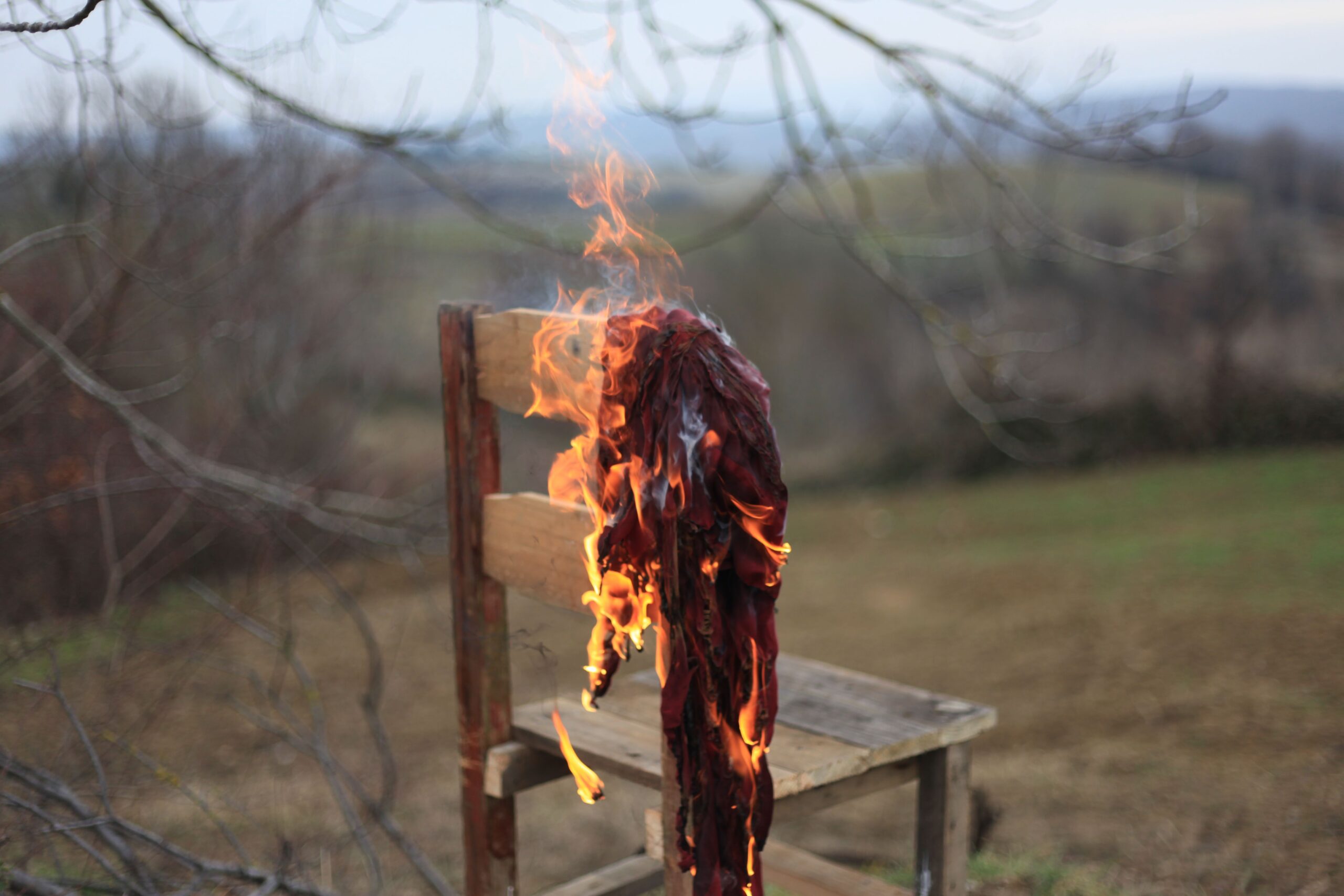
CAL 117 vs. CAL 133: A Guide to Fire Safety Standards for Furniture Sourcing
Here’s a question that comes up a lot in conversations with furniture buyers, hoteliers, and commercial project managers: “I need to source upholstered furniture from China, but I’m confused about fire safety standards. What’s the difference between CAL 117 and CAL 133, and which one do I need?”
The answer is critical, not just for legal compliance, but for the safety of the people who will use your furniture. Understanding these California-based standards—which have become de facto benchmarks in many global markets—is essential when sourcing from China. This guide will explain everything you need to know about CAL 117 and CAL 133, their differences, and how to ensure your sourced furniture meets the required standards.
Table of Contents
Why Fire Ratings Matter When Sourcing Furniture
Fire ratings are more than just technical jargon; they are critical tools for risk management and life safety in any building project. When sourcing furniture, especially for commercial or public spaces, two factors are paramount:
- Fire Resistance: How well does the material resist ignition?
- Fire Containment: How quickly can the material suppress or slow the spread of a fire?
Inadequate fire resistance in furniture can lead to rapid fire spread, creating dangerous conditions and increasing the potential for loss of life and property. Different fire rating standards exist worldwide, and any material with the potential to ignite is assigned a rating reflecting its capacity to withstand or curtail a fire.
These standards become even more critical when sourcing from countries like China, where regulations and quality standards may vary. Two of the most important standards in the upholstered furniture industry are CAL 117 and CAL 133.
What is CAL 117?
CAL 117, or California Technical Bulletin 117, is an industry-wide standard predominantly applicable to upholstered furniture in the United States and Canada. It is designed to evaluate the performance of fire-retardant treatments—like paints, coatings, and other suppressing materials—applied to furniture to minimise the risk of ignition.
The CAL 117 standard involves a two-stage evaluation process:
Stage 1: Fire Resistance Rating (FR)
This rating assesses the material’s ability to resist fire. It is categorised as follows:
| Rating | Description |
|---|---|
| FR-0 | No protection. The material is highly flammable. |
| FR-1 | Can extinguish a small fire and protect from moderate heat. |
| FR-2 | Can resist moderate heat for a brief duration. |
| FR-3 | Can withstand extreme heat for a short period. |
| FR-4 or higher | Deemed capable of enduring fire for an extended period. |
Stage 2: Fire Containment Rating (CR)
This rating assesses how quickly the material can halt a fire’s progress.
| Rating | Description |
|---|---|
| CR-0 | Lacks capacity to contain a fire. |
| CR-1 | Takes 30 minutes or more to suppress a fire. |
| CR-2 | Takes 15 minutes or more to suppress a fire. |
| CR-3 | Can extinguish a fire within 10 minutes (highest efficiency). |
What is CAL 133?
CAL 133 is a more stringent fire rating standard, primarily directed at upholstered furniture intended for use in commercial settings and high-risk public occupancies. These spaces include:
- Government buildings
- Offices with 10+ employees
- Hospitals and nursing homes
- Daycare centers
- Schools and auditoriums
- Public stadiums and assembly areas
While CAL 133 shares some similarities with CAL 117, it is significantly more rigorous. The key difference is that CAL 133 requires a full-scale item test, assessing not just the materials used, but the entire furniture structure (e.g., a complete chair or sofa).
The CAL 133 Full-Scale Test:
During testing, a complete piece of furniture is subjected to ignition for 80 seconds using a gas burner. The test measures and compares various factors, including:
- Temperature
- Carbon monoxide emissions
- Heat generation
- Smoke production
- Weight loss
This comprehensive testing method makes CAL 133 a much more severe and reliable standard for high-risk settings. The demanding nature of this test, along with the associated costs (testing fees can range from $500-$600 per item), makes it a substantial financial and logistical challenge for manufacturers.
Key Differences: CAL 117 vs. CAL 133
| Feature | CAL 117 | CAL 133 |
|---|---|---|
| Primary Application | General upholstered furniture (US & Canada) | Commercial/public spaces, high-risk occupancies |
| Scope of Testing | Focuses on filling materials and fabrics (component-level) | Full-scale item test (entire piece of furniture) |
| Test Method | Bench-scale tests on individual materials | 80-second gas burner ignition test on complete item |
| Level of Rigor | Foundational standard | More stringent and comprehensive |
| Ideal For | Residential, low-risk commercial settings | High-risk public spaces requiring maximum fire safety |
Sourcing Furniture with CAL 117 or CAL 133 Compliance from China
When sourcing upholstered furniture from China, ensuring it meets the required fire rating is non-negotiable. Here’s a step-by-step guide.
Step 1: Define Your Requirements
- Identify Your Need: Determine if your project requires CAL 117, CAL 133, or another standard.
- Know Your Setting: Is the furniture for a residential, general commercial, or high-risk public space?
- Communicate Clearly: Specify the exact standard and rating level (e.g., CAL 133, FR-3, CR-2) in your product specifications.
Step 2: Find the Right Suppliers
- Specialised Factories: Look for manufacturers with experience in producing contract-grade or commercial furniture for export markets.
- Verify Capabilities: Not all factories are set up for the rigorous testing required for CAL 133 compliance.
- Sourcing Partners: A company like We Do Import can identify suppliers with proven experience in meeting international fire safety standards.
Step 3: Vet and Verify Suppliers
- Request Documentation: Ask for test reports or certificates from accredited laboratories.
- Conduct Factory Audits: Verify their quality control processes and understanding of fire safety standards.
- Ask Key Questions:
- “Which CAL standard do you regularly comply with?”
- “Can you provide test reports from an accredited lab?”
- “How do you ensure material consistency across batches?”
- “What is your process for sourcing fire-retardant materials?”
Step 4: Request and Test Samples
- Order a Sample: This is essential. Insist on a full-size sample.
- Request Test Documentation: Ask for the specific test report for that sample.
- Conduct Independent Testing (Optional but Recommended): For critical projects, consider sending a sample to an accredited lab in your own country for validation.
Step 5: Quality Control and Pre-Shipment Inspection
- Specify in Contract: Clearly state the required standard in your contract.
- Material Verification: During production, ensure the correct fire-retardant materials are being used.
- Pre-Shipment Inspection (PSI): This is vital. Have a third-party inspector or your sourcing partner verify that the finished goods match the approved sample and meet the required fire rating specifications.
Step 6: Manage Logistics and Compliance
- Documentation: Ensure all compliance certificates and test reports are included with your shipment documentation.
- Customs Clearance: Be prepared for customs authorities in your country to request proof of compliance.
Challenges and Considerations
- Testing Costs: CAL 133 testing is expensive for manufacturers, which can impact the final product price.
- Material Sourcing: Fire-retardant materials can be more expensive and may have a different feel or look.
- Consistency: Ensure the manufacturer consistently sources the same compliant materials for your order.
- Counterfeit Claims: Beware of suppliers who claim compliance without providing verifiable test reports.
How We Do Import Can Help You
Navigating the complexities of international fire safety standards is a significant challenge when sourcing furniture. We Do Import simplifies this process, ensuring your products meet the necessary regulations.
Our services include:
- Supplier Identification & Vetting: We find suppliers with proven experience in manufacturing furniture to CAL 117 and CAL 133 standards.
- Verification of Compliance: We request and review test reports and certifications from suppliers.
- Factory Audits: We assess a factory’s production processes and quality control.
- Sample Management: We coordinate sample testing and review.
- Quality Control & Inspections: We conduct rigorous pre-shipment inspections to verify the final goods meet your specifications and compliance requirements.
- Logistics & Documentation: We ensure all compliance documentation is accurate and in order.
Our expertise minimises your risk and ensures you receive furniture that meets your safety and legal obligations.
Frequently Asked Questions
What is the main difference between CAL 117 and CAL 133?
CAL 117 is a foundational standard testing individual materials. CAL 133 is a more stringent standard that requires full-scale testing of a complete furniture item.
Which standard do I need for my project?
You need CAL 133 for commercial projects, public spaces, and high-risk occupancies. CAL 117 is suitable for residential or general, low-risk commercial settings. Always check with your local building authority.
Can Chinese manufacturers produce furniture that meets CAL 133?
Yes, many specialised manufacturers do. However, you must verify their capabilities and request proof of testing from accredited laboratories.
Is furniture compliant with CAL 133 more expensive?
Yes, typically. The cost of specialised fire-retardant materials and the required testing contributes to a higher final product price.
How can I verify compliance?
Request test reports from the manufacturer. For critical projects, consider having an independent, accredited laboratory test a sample.
Final Thoughts
Understanding the difference between CAL 117 and CAL 133 fire ratings is essential for anyone involved in sourcing upholstered furniture. These standards are not just regulatory requirements; they are commitments to safety that protect lives and property.
When sourcing from China, clarity and due diligence are your best tools. Specify your requirements clearly, partner with reputable suppliers, and implement robust quality control measures.
Ready to source safe, compliant furniture for your project? Contact We Do Import today to ensure your furniture meets the highest safety standards.


Leave a Reply