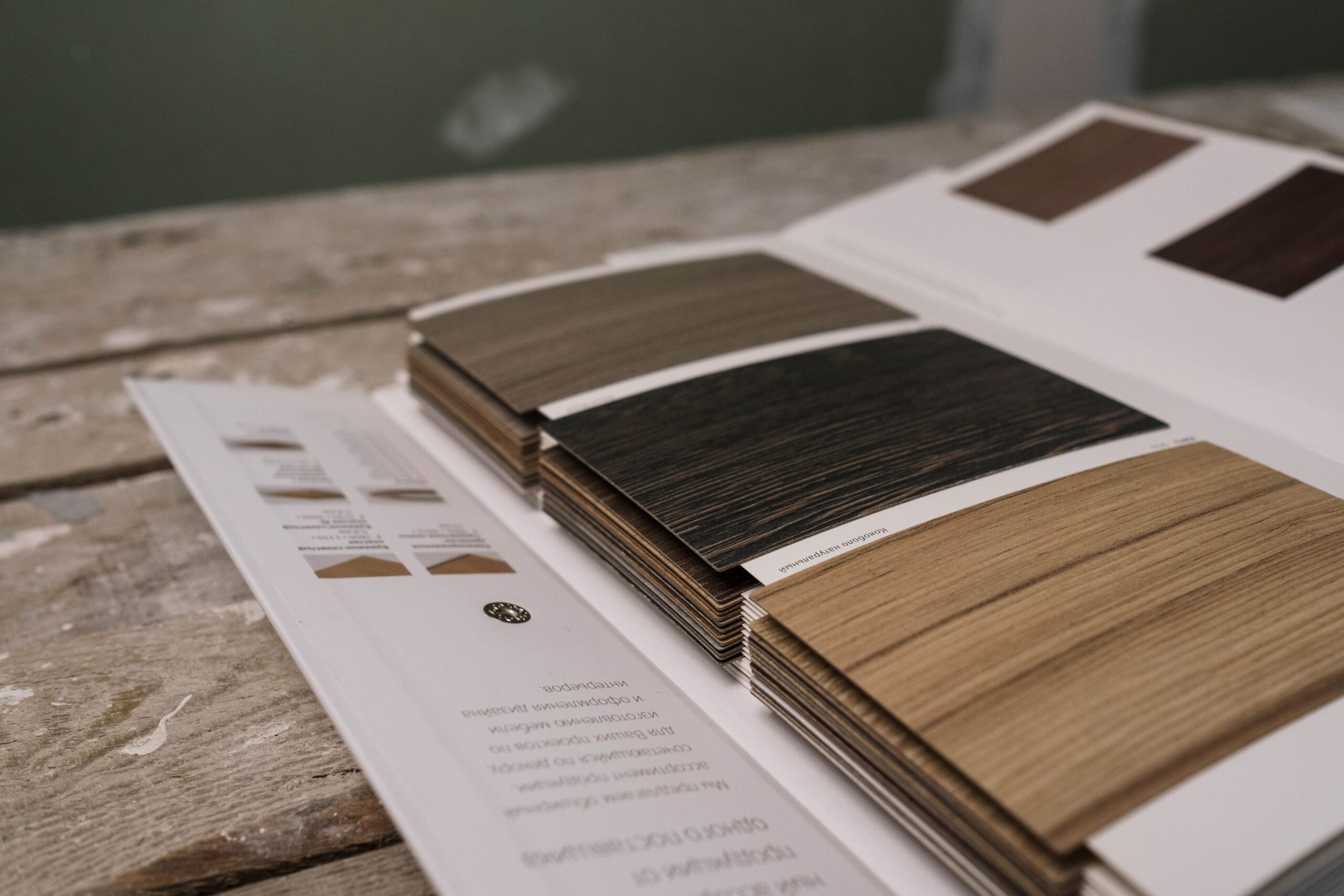
Natural vs. Engineered Veneer: A Complete Sourcing Guide for Furniture Professionals
Here’s a question that comes up a lot in conversations with furniture manufacturers, interior designers, and cabinet makers: “I want to use veneers for my project, but I’m confused about the difference between natural and engineered options. Which one should I source from China?”
The answer depends on your specific project needs—authenticity, consistency, durability, budget, and sustainability. Understanding these materials is crucial for making the right sourcing decision. China, as a global manufacturing powerhouse, offers extensive options for both natural and engineered veneers, but knowing which to choose and how to source them effectively is key to your success.
This guide provides a detailed comparison of natural and engineered veneers, their characteristics, applications, and a step-by-step approach to sourcing them from China.
Table of Contents
What Is Wood Veneer?
Wood veneer is a thin layer of wood, typically sliced or peeled from a log, used to cover the surface of furniture, cabinets, doors, and other wood products. It allows manufacturers to create beautiful, high-quality surfaces while maximizing the use of timber resources.
There are two primary categories of wood veneers:
- Natural Wood Veneer: Sliced directly from a log, preserving the unique grain patterns, color variations, and natural characteristics of the wood species.
- Engineered Veneer: Manufactured by laminating thin layers of wood together, often from fast-growing species, to create a more consistent and stable product that can mimic the appearance of various wood types.
Both have a rich history and distinct advantages, which we will explore in depth.
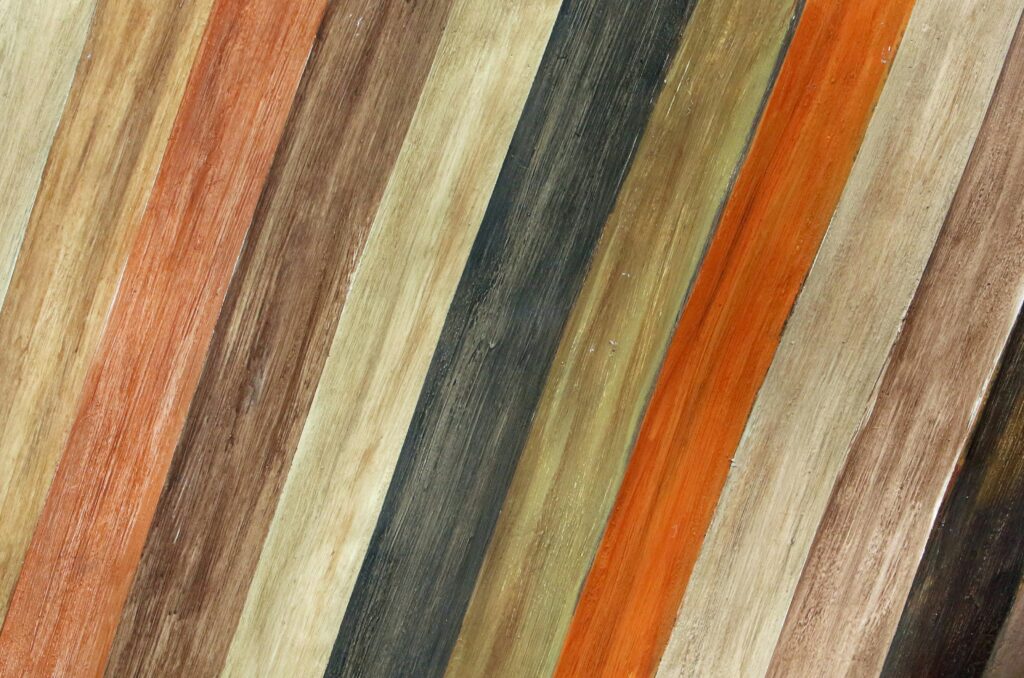
Natural Veneer vs. Engineered Veneer: A Detailed Comparison
Choosing between natural and engineered veneer involves weighing several factors. Here’s a breakdown of the key differences.
1. Authenticity and Appearance
- Natural Veneer: Offers unparalleled authenticity. Each sheet is unique, showcasing the genuine grain patterns, color variations, and organic textures of the original wood species (e.g., oak, walnut, maple). This creates warmth, depth, and a sense of connection to nature that is highly valued in high-end design.
- Engineered Veneer: Aims to replicate the look of natural wood. While it can be visually similar, it offers a more controlled and consistent appearance. The grain pattern is often more uniform, which is ideal for projects where a seamless, predictable look across large surfaces is desired.
Sourcing Insight: When sourcing natural veneer, expect natural variations. This is a feature, not a flaw. For engineered veneer, confirm the consistency of the color and grain with your supplier.
2. Variety of Options
- Natural Veneer: Offers an extensive range of wood species, each with its own distinct aesthetic. From the rustic warmth of oak to the luxurious richness of walnut, the options are vast. However, availability depends on the sustainability and market supply of each species.
- Engineered Veneer: Expands the range of possibilities beyond natural limitations. It can mimic rare, exotic, or even extinct wood species at a fraction of the cost. This provides greater design flexibility and access to looks that are otherwise unattainable or very expensive.
Sourcing Insight: If your design calls for a specific exotic wood, but cost is a concern, engineered veneer is an excellent alternative.
3. Consistency
- Natural Veneer: Inherently inconsistent. Variations in grain, color, and texture are natural and expected. This can be a challenge when trying to match panels across a large furniture piece or a whole room.
- Engineered Veneer: Designed for consistency. The manufacturing process creates a uniform appearance, making it ideal for large-scale projects where a seamless, matched look is essential.
Sourcing Insight: For a unique, organic look, choose natural veneer. For a sleek, uniform finish, engineered veneer is the better choice.
4. Durability and Stability
- Natural Veneer: Exhibits excellent durability when properly finished and maintained. However, it is more susceptible to changes in moisture and temperature. Without proper care, it can expand, contract, warp, or crack.
- Engineered Veneer: Offers enhanced stability. Its layered construction makes it more resistant to warping, cracking, and shrinking. This makes it a more reliable choice for environments with fluctuating humidity, like kitchens, bathrooms, or regions with extreme seasons.
Sourcing Insight: For challenging environments, engineered veneer provides superior dimensional stability.
5. Cost-Effectiveness
- Natural Veneer: Can be expensive, especially for rare or slow-growing wood species. The price reflects the scarcity, harvesting, and processing of the raw material.
- Engineered Veneer: More cost-effective. It utilizes fast-growing, sustainable wood sources and efficient manufacturing processes, making it a budget-friendly option that can still deliver a premium look.
Sourcing Insight: If budget is a primary constraint, engineered veneer offers excellent value.
6. Sustainability
- Natural Veneer: Can be a sustainable choice when sourced from responsibly managed forests. It maximizes the use of a single log (a single tree can produce a large surface area of veneer), reducing waste.
- Engineered Veneer: Often considered a highly sustainable option. It frequently uses fast-growing, recycled, or reclaimed wood fibers in its core layers, reducing the demand for old-growth timber.
Sourcing Insight: Both materials can be sustainable. Look for suppliers who provide certifications like FSC (Forest Stewardship Council) for natural veneer and demonstrate responsible manufacturing practices for engineered veneer.
Comparison Table: Natural vs. Engineered Veneer
| Feature | Natural Veneer | Engineered Veneer |
|---|---|---|
| Authenticity | High; unique, organic patterns | Moderate; replicates natural look |
| Appearance | Varied, characterized by natural variation in grain and color | Uniform, consistent in grain and color |
| Variety | Wide, depends on wood species availability | Very wide; can mimic rare/exotic species |
| Consistency | Low; inherent variations | High; uniform appearance across large surfaces |
| Durability | Good, requires care | Good, stable and resistant to warping |
| Stability | Susceptible to moisture and temperature changes | High; dimensionally stable |
| Cost | Higher, especially for premium species | Generally lower; cost-effective |
| Sustainability | Good (with FSC certification) | Good (uses fast-growing/recycled materials) |
| Best For | High-end, design-focused projects where uniqueness is valued | Large-scale, cost-sensitive projects requiring uniformity and stability |
Applications: Where to Use Each Type
- Natural Veneer:
- Luxury furniture and cabinets.
- High-end residential interior design.
- Architectural millwork where a unique, premium aesthetic is required.
- Decorative veneer panels for feature walls.
- Engineered Veneer:
- Mass-produced furniture and cabinetry.
- Commercial and hospitality projects (hotels, restaurants, offices).
- Projects requiring a consistent look across many pieces.
- Environments with fluctuating humidity (kitchens, bathrooms).
A Step-by-Step Guide to Sourcing Veneers from China
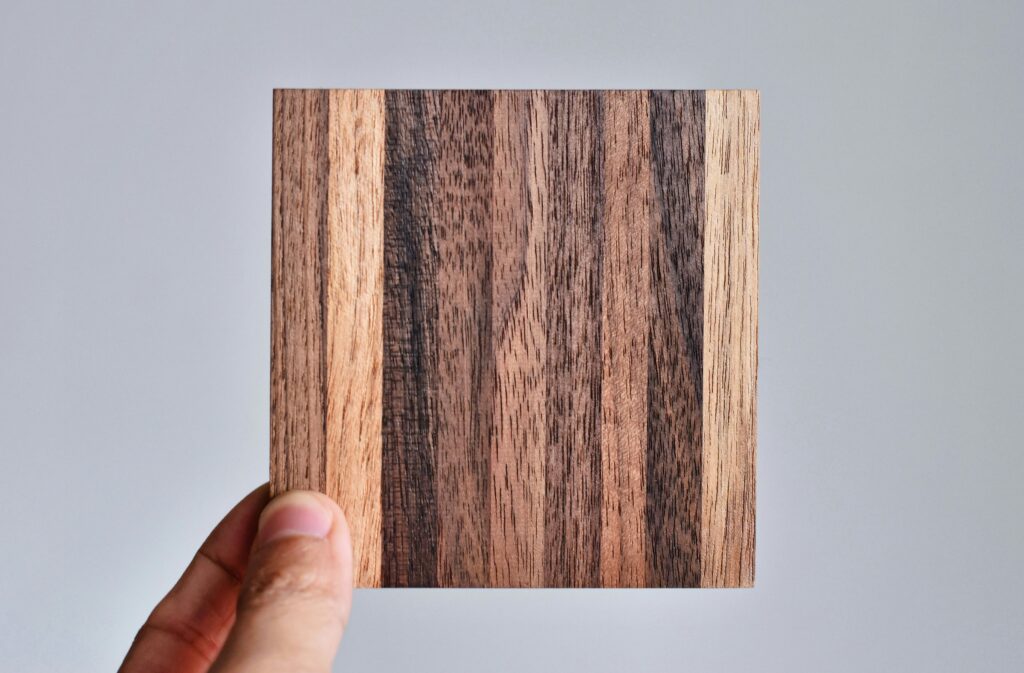
China is a major source for both natural and engineered veneers. Here’s how to source them effectively.
Step 1: Define Your Requirements
- Type of Veneer: Natural or engineered?
- Wood Species/Appearance: Specify the species and desired aesthetic.
- Quality Grade: Define your quality standards (e.g., AA, A, B grades).
- Dimensions and Quantity: Size of sheets and order volume.
- Budget: Set a clear budget.
Step 2: Find the Right Suppliers
- Major Hubs: Key manufacturing and export centers include Guangdong Province (especially Foshan and Guangzhou), Zhejiang Province, and Shandong Province.
- Where to Look:
- Online Platforms: Alibaba, Global Sources, and Made-in-China.
- Trade Fairs: The Canton Fair and specialized wood or furniture fairs.
- Sourcing Partners: A company like We Do Import can identify and vet reliable suppliers.
Step 3: Vet and Verify Suppliers
This is critical to ensure quality and reliability.
- Check Credentials: Ask for business licenses and factory photos.
- Request Samples: This is non-negotiable. Order a sample to assess the quality, finish, thickness, and appearance firsthand.
- Conduct Factory Audits: If possible, visit the factory or use a third-party service to verify their capabilities, production methods, and quality control processes.
- Ask Key Questions:
- “What is your quality control process?”
- “Can you provide certification for sustainable sourcing (e.g., FSC)?”
- “What is your lead time for production?”
- “How do you ensure the veneer is properly protected for shipping?”
Step 4: Evaluate the Sample Thoroughly
- Appearance: Does the sample match the color, grain, and texture you requested?
- Thickness: Verify it meets your specification.
- Finish Quality: Check for a smooth surface and proper sanding.
- Stability: For engineered veneer, confirm it feels stable and well-constructed.
Step 5: Negotiate and Finalize Terms
- Pricing and Payment: Negotiate the unit price and payment terms (typically 30% deposit/70% before shipment).
- MOQ: Confirm the minimum order quantity.
- Lead Time: Agree on a production timeline.
- Packaging: Specify how the veneer should be wrapped and crated for export to prevent damage.
Step 6: Quality Control and Inspection
- Pre-Shipment Inspection (PSI): Hire a third-party inspector or use your sourcing partner to inspect the finished order against the approved sample. This is essential to avoid receiving substandard goods.
Step 7: Manage Logistics and Shipping
- Shipping: Coordinate shipment via FCL or LCL.
- Customs Clearance: Ensure all documentation (Commercial Invoice, Packing List, Bill of Lading) is accurate for your country’s customs.
How We Do Import Can Help You
Sourcing wood veneers from China requires specialized knowledge to navigate material grades, quality variations, and logistics. As a professional sourcing partner, We Do Import simplifies this complex process.
Our full-service solution includes:
- Supplier Identification & Vetting: We connect you with reliable, specialized veneer manufacturers.
- Due Diligence & Factory Audits: We verify supplier credentials and production capabilities.
- Sample Management: We coordinate sample ordering and testing.
- Price Negotiation: We secure competitive pricing and favorable terms on your behalf.
- Quality Control & Inspections: We conduct rigorous pre-shipment inspections to guarantee quality and specification compliance.
- Logistics & Customs Support: We manage shipping, documentation, and compliance, ensuring a smooth import process.
With our expertise, you can focus on your craft while we handle the complexities of sourcing.
Frequently Asked Questions
What is the main difference between natural and engineered veneer?
Natural veneer is sliced directly from a log, offering unique, authentic grain patterns. Engineered veneer is manufactured by laminating wood layers, resulting in a more consistent and stable product.
Which type of veneer is more durable?
Both are durable, but engineered veneer is generally more stable and less prone to warping, cracking, or shrinking in fluctuating humidity.
Is natural veneer more expensive than engineered veneer?
Yes, natural veneer, especially from premium or rare species, is typically more expensive than engineered veneer.
Which veneer is more sustainable?
Both can be sustainable. Natural veneer maximizes log usage (if sourced responsibly), while engineered veneer often uses fast-growing or recycled materials in its core.
Where in China should I source veneers?
Major hubs include Guangdong Province (Foshan, Guangzhou), Zhejiang Province, and Shandong Province.
Final Thoughts
Choosing between natural and engineered wood veneers is a critical decision that impacts the aesthetics, performance, and cost of your project. Natural veneer offers unique beauty and authenticity, while engineered veneer provides consistency, stability, and affordability.
Sourcing these materials from China gives you access to a vast, competitive market. The key to success is understanding your needs, finding a reliable supplier, and managing quality through diligent sampling and inspection.
Ready to source premium veneers for your project? Contact We Do Import today to discuss your requirements. We’ll help you navigate the sourcing process and find the perfect match for your vision.

Leave a Reply