Author: admin

Natural vs. Engineered Veneer: A Complete Sourcing Guide for Furniture Professionals

Here’s a question that comes up a lot in conversations with furniture manufacturers, interior designers, and cabinet makers: “I want to use veneers for my project, but I’m confused about the difference between natural and engineered options. Which one should I source from China?”

The answer depends on your specific project needs—authenticity, consistency, durability, budget, and sustainability. Understanding these materials is crucial for making the right sourcing decision. China, as a global manufacturing powerhouse, offers extensive options for both natural and engineered veneers, but knowing which to choose and how to source them effectively is key to your success.

This guide provides a detailed comparison of natural and engineered veneers, their characteristics, applications, and a step-by-step approach to sourcing them from China.


What Is Wood Veneer?

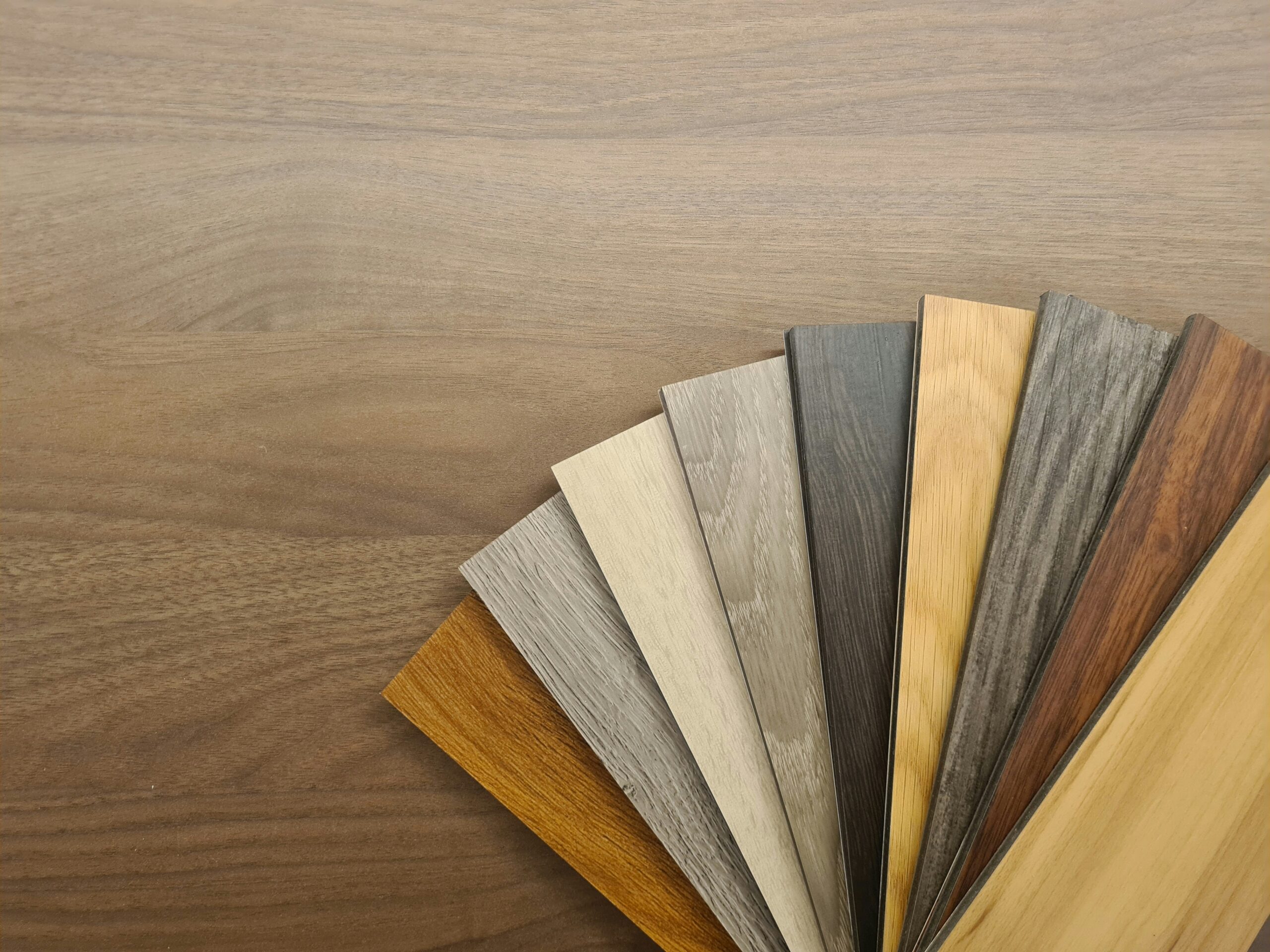
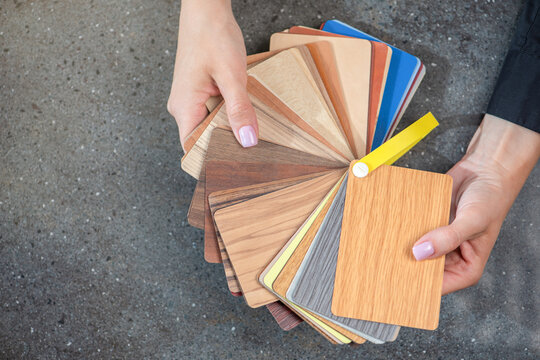
Wood veneer is a thin layer of wood, typically sliced or peeled from a log, used to cover the surface of furniture, cabinets, doors, and other wood products. It allows manufacturers to create beautiful, high-quality surfaces while maximizing the use of timber resources.

There are two primary categories of wood veneers:

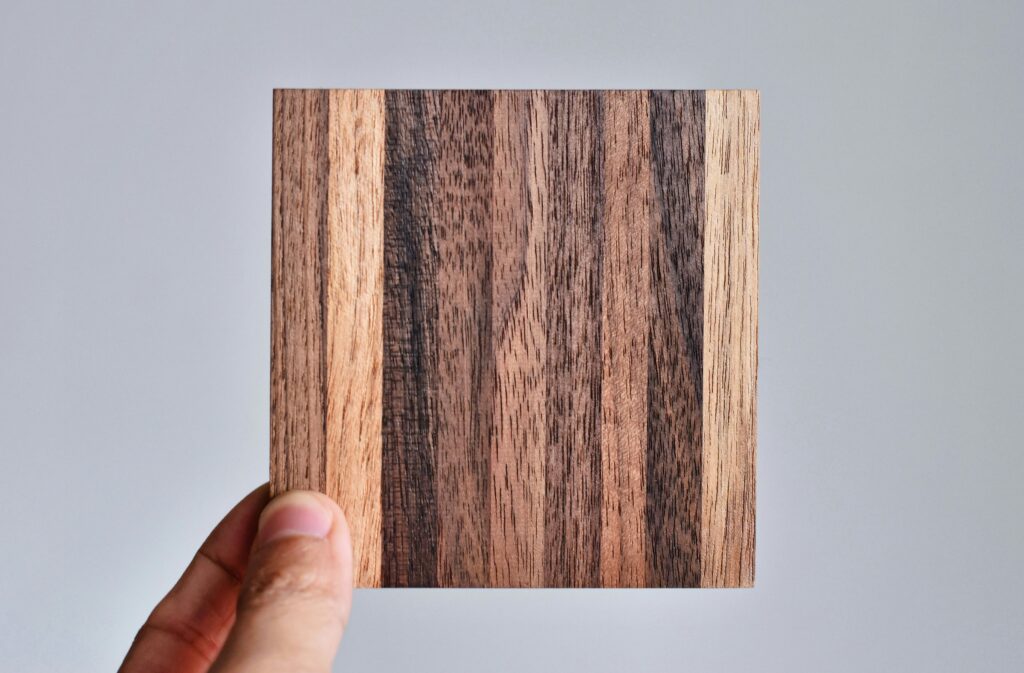
  1. Natural Wood Veneer: Sliced directly from a log, preserving the unique grain patterns, color variations, and natural characteristics of the wood species.
  2. Engineered Veneer: Manufactured by laminating thin layers of wood together, often from fast-growing species, to create a more consistent and stable product that can mimic the appearance of various wood types.

Both have a rich history and distinct advantages, which we will explore in depth.


Natural Veneer vs. Engineered Veneer: A Detailed Comparison

Choosing between natural and engineered veneer involves weighing several factors. Here’s a breakdown of the key differences.

1. Authenticity and Appearance

  • Natural Veneer: Offers unparalleled authenticity. Each sheet is unique, showcasing the genuine grain patterns, color variations, and organic textures of the original wood species (e.g., oak, walnut, maple). This creates warmth, depth, and a sense of connection to nature that is highly valued in high-end design.
  • Engineered Veneer: Aims to replicate the look of natural wood. While it can be visually similar, it offers a more controlled and consistent appearance. The grain pattern is often more uniform, which is ideal for projects where a seamless, predictable look across large surfaces is desired.

Sourcing Insight: When sourcing natural veneer, expect natural variations. This is a feature, not a flaw. For engineered veneer, confirm the consistency of the color and grain with your supplier.

2. Variety of Options

  • Natural Veneer: Offers an extensive range of wood species, each with its own distinct aesthetic. From the rustic warmth of oak to the luxurious richness of walnut, the options are vast. However, availability depends on the sustainability and market supply of each species.
  • Engineered Veneer: Expands the range of possibilities beyond natural limitations. It can mimic rare, exotic, or even extinct wood species at a fraction of the cost. This provides greater design flexibility and access to looks that are otherwise unattainable or very expensive.

Sourcing Insight: If your design calls for a specific exotic wood, but cost is a concern, engineered veneer is an excellent alternative.

3. Consistency

  • Natural Veneer: Inherently inconsistent. Variations in grain, color, and texture are natural and expected. This can be a challenge when trying to match panels across a large furniture piece or a whole room.
  • Engineered Veneer: Designed for consistency. The manufacturing process creates a uniform appearance, making it ideal for large-scale projects where a seamless, matched look is essential.

Sourcing Insight: For a unique, organic look, choose natural veneer. For a sleek, uniform finish, engineered veneer is the better choice.

4. Durability and Stability

  • Natural Veneer: Exhibits excellent durability when properly finished and maintained. However, it is more susceptible to changes in moisture and temperature. Without proper care, it can expand, contract, warp, or crack.
  • Engineered Veneer: Offers enhanced stability. Its layered construction makes it more resistant to warping, cracking, and shrinking. This makes it a more reliable choice for environments with fluctuating humidity, like kitchens, bathrooms, or regions with extreme seasons.

Sourcing Insight: For challenging environments, engineered veneer provides superior dimensional stability.

5. Cost-Effectiveness

  • Natural Veneer: Can be expensive, especially for rare or slow-growing wood species. The price reflects the scarcity, harvesting, and processing of the raw material.
  • Engineered Veneer: More cost-effective. It utilizes fast-growing, sustainable wood sources and efficient manufacturing processes, making it a budget-friendly option that can still deliver a premium look.

Sourcing Insight: If budget is a primary constraint, engineered veneer offers excellent value.

6. Sustainability

  • Natural Veneer: Can be a sustainable choice when sourced from responsibly managed forests. It maximizes the use of a single log (a single tree can produce a large surface area of veneer), reducing waste.
  • Engineered Veneer: Often considered a highly sustainable option. It frequently uses fast-growing, recycled, or reclaimed wood fibers in its core layers, reducing the demand for old-growth timber.

Sourcing Insight: Both materials can be sustainable. Look for suppliers who provide certifications like FSC (Forest Stewardship Council) for natural veneer and demonstrate responsible manufacturing practices for engineered veneer.


Comparison Table: Natural vs. Engineered Veneer

FeatureNatural VeneerEngineered Veneer
AuthenticityHigh; unique, organic patternsModerate; replicates natural look
AppearanceVaried, characterized by natural variation in grain and colorUniform, consistent in grain and color
VarietyWide, depends on wood species availabilityVery wide; can mimic rare/exotic species
ConsistencyLow; inherent variationsHigh; uniform appearance across large surfaces
DurabilityGood, requires careGood, stable and resistant to warping
StabilitySusceptible to moisture and temperature changesHigh; dimensionally stable
CostHigher, especially for premium speciesGenerally lower; cost-effective
SustainabilityGood (with FSC certification)Good (uses fast-growing/recycled materials)
Best ForHigh-end, design-focused projects where uniqueness is valuedLarge-scale, cost-sensitive projects requiring uniformity and stability

Applications: Where to Use Each Type

  • Natural Veneer:
    • Luxury furniture and cabinets.
    • High-end residential interior design.
    • Architectural millwork where a unique, premium aesthetic is required.
    • Decorative veneer panels for feature walls.
  • Engineered Veneer:
    • Mass-produced furniture and cabinetry.
    • Commercial and hospitality projects (hotels, restaurants, offices).
    • Projects requiring a consistent look across many pieces.
    • Environments with fluctuating humidity (kitchens, bathrooms).

A Step-by-Step Guide to Sourcing Veneers from China
China is a major source for both natural and engineered veneers. Here’s how to source them effectively.

Step 1: Define Your Requirements

  • Type of Veneer: Natural or engineered?
  • Wood Species/Appearance: Specify the species and desired aesthetic.
  • Quality Grade: Define your quality standards (e.g., AA, A, B grades).
  • Dimensions and Quantity: Size of sheets and order volume.
  • Budget: Set a clear budget.

Step 2: Find the Right Suppliers

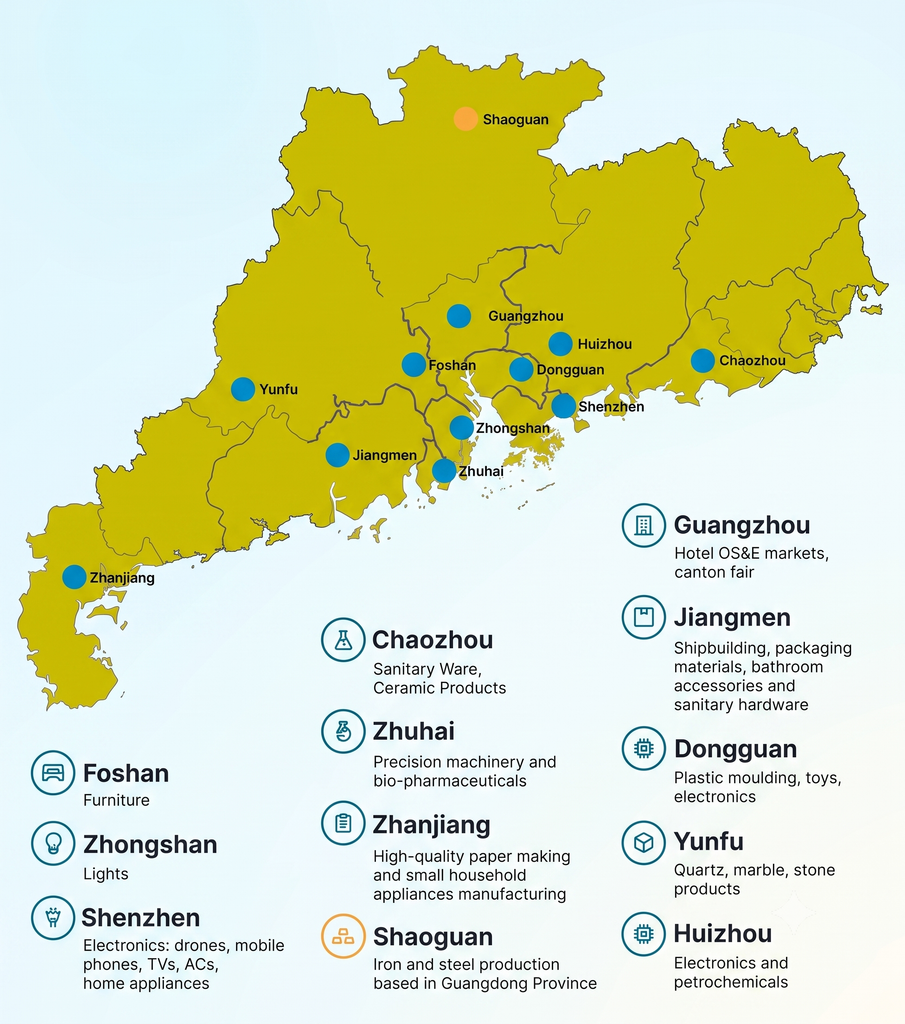
  • Major Hubs: Key manufacturing and export centers include Guangdong Province (especially Foshan and Guangzhou), Zhejiang Province, and Shandong Province.
  • Where to Look:
    • Online Platforms: Alibaba, Global Sources, and Made-in-China.
    • Trade Fairs: The Canton Fair and specialized wood or furniture fairs.
    • Sourcing Partners: A company like We Do Import can identify and vet reliable suppliers.

Step 3: Vet and Verify Suppliers

This is critical to ensure quality and reliability.

  • Check Credentials: Ask for business licenses and factory photos.
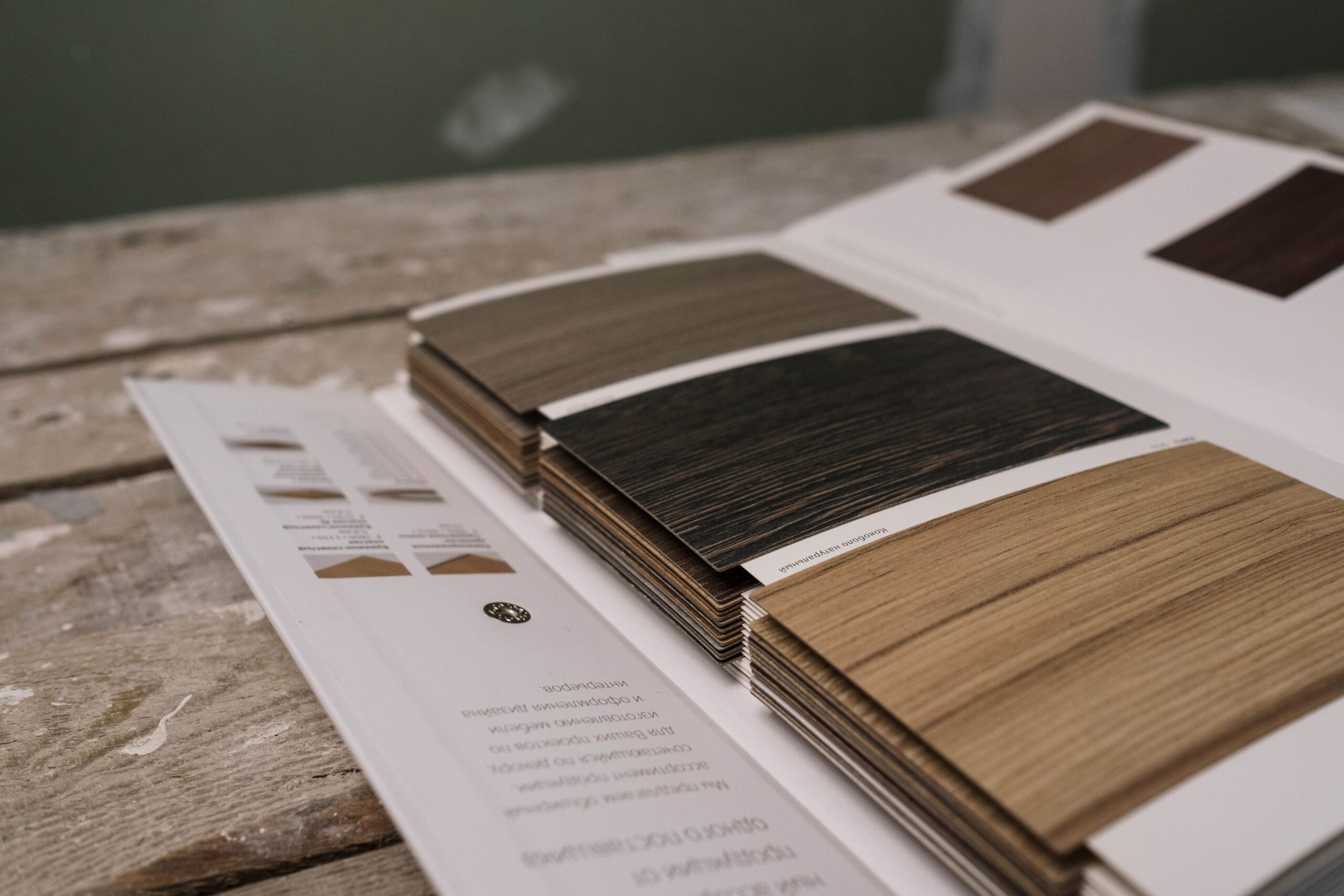
  • Request Samples: This is non-negotiable. Order a sample to assess the quality, finish, thickness, and appearance firsthand.
  • Conduct Factory Audits: If possible, visit the factory or use a third-party service to verify their capabilities, production methods, and quality control processes.
  • Ask Key Questions:
    • “What is your quality control process?”
    • “Can you provide certification for sustainable sourcing (e.g., FSC)?”
    • “What is your lead time for production?”
    • “How do you ensure the veneer is properly protected for shipping?”

Step 4: Evaluate the Sample Thoroughly

  • Appearance: Does the sample match the color, grain, and texture you requested?
  • Thickness: Verify it meets your specification.
  • Finish Quality: Check for a smooth surface and proper sanding.
  • Stability: For engineered veneer, confirm it feels stable and well-constructed.

Step 5: Negotiate and Finalize Terms

  • Pricing and Payment: Negotiate the unit price and payment terms (typically 30% deposit/70% before shipment).
  • MOQ: Confirm the minimum order quantity.
  • Lead Time: Agree on a production timeline.
  • Packaging: Specify how the veneer should be wrapped and crated for export to prevent damage.

Step 6: Quality Control and Inspection

  • Pre-Shipment Inspection (PSI): Hire a third-party inspector or use your sourcing partner to inspect the finished order against the approved sample. This is essential to avoid receiving substandard goods.

Step 7: Manage Logistics and Shipping

  • Shipping: Coordinate shipment via FCL or LCL.
  • Customs Clearance: Ensure all documentation (Commercial Invoice, Packing List, Bill of Lading) is accurate for your country’s customs.

How We Do Import Can Help You

Sourcing wood veneers from China requires specialized knowledge to navigate material grades, quality variations, and logistics. As a professional sourcing partner, We Do Import simplifies this complex process.

Our full-service solution includes:

  • Supplier Identification & Vetting: We connect you with reliable, specialized veneer manufacturers.
  • Due Diligence & Factory Audits: We verify supplier credentials and production capabilities.
  • Sample Management: We coordinate sample ordering and testing.
  • Price Negotiation: We secure competitive pricing and favorable terms on your behalf.
  • Quality Control & Inspections: We conduct rigorous pre-shipment inspections to guarantee quality and specification compliance.
  • Logistics & Customs Support: We manage shipping, documentation, and compliance, ensuring a smooth import process.

With our expertise, you can focus on your craft while we handle the complexities of sourcing.


Frequently Asked Questions

What is the main difference between natural and engineered veneer?
Natural veneer is sliced directly from a log, offering unique, authentic grain patterns. Engineered veneer is manufactured by laminating wood layers, resulting in a more consistent and stable product.

Which type of veneer is more durable?
Both are durable, but engineered veneer is generally more stable and less prone to warping, cracking, or shrinking in fluctuating humidity.

Is natural veneer more expensive than engineered veneer?
Yes, natural veneer, especially from premium or rare species, is typically more expensive than engineered veneer.

Which veneer is more sustainable?
Both can be sustainable. Natural veneer maximizes log usage (if sourced responsibly), while engineered veneer often uses fast-growing or recycled materials in its core.

Where in China should I source veneers?
Major hubs include Guangdong Province (Foshan, Guangzhou), Zhejiang Province, and Shandong Province.


Final Thoughts

Choosing between natural and engineered wood veneers is a critical decision that impacts the aesthetics, performance, and cost of your project. Natural veneer offers unique beauty and authenticity, while engineered veneer provides consistency, stability, and affordability.

Sourcing these materials from China gives you access to a vast, competitive market. The key to success is understanding your needs, finding a reliable supplier, and managing quality through diligent sampling and inspection.

Ready to source premium veneers for your project? Contact We Do Import today to discuss your requirements. We’ll help you navigate the sourcing process and find the perfect match for your vision.


CAL 117 vs. CAL 133: A Guide to Fire Safety Standards for Furniture Sourcing


Here’s a question that comes up a lot in conversations with furniture buyers, hoteliers, and commercial project managers: “I need to source upholstered furniture from China, but I’m confused about fire safety standards. What’s the difference between CAL 117 and CAL 133, and which one do I need?”

The answer is critical, not just for legal compliance, but for the safety of the people who will use your furniture. Understanding these California-based standards—which have become de facto benchmarks in many global markets—is essential when sourcing from China. This guide will explain everything you need to know about CAL 117 and CAL 133, their differences, and how to ensure your sourced furniture meets the required standards.


Why Fire Ratings Matter When Sourcing Furniture

Fire ratings are more than just technical jargon; they are critical tools for risk management and life safety in any building project. When sourcing furniture, especially for commercial or public spaces, two factors are paramount:

  1. Fire Resistance: How well does the material resist ignition?
  2. Fire Containment: How quickly can the material suppress or slow the spread of a fire?

Inadequate fire resistance in furniture can lead to rapid fire spread, creating dangerous conditions and increasing the potential for loss of life and property. Different fire rating standards exist worldwide, and any material with the potential to ignite is assigned a rating reflecting its capacity to withstand or curtail a fire.

These standards become even more critical when sourcing from countries like China, where regulations and quality standards may vary. Two of the most important standards in the upholstered furniture industry are CAL 117 and CAL 133.


What is CAL 117?

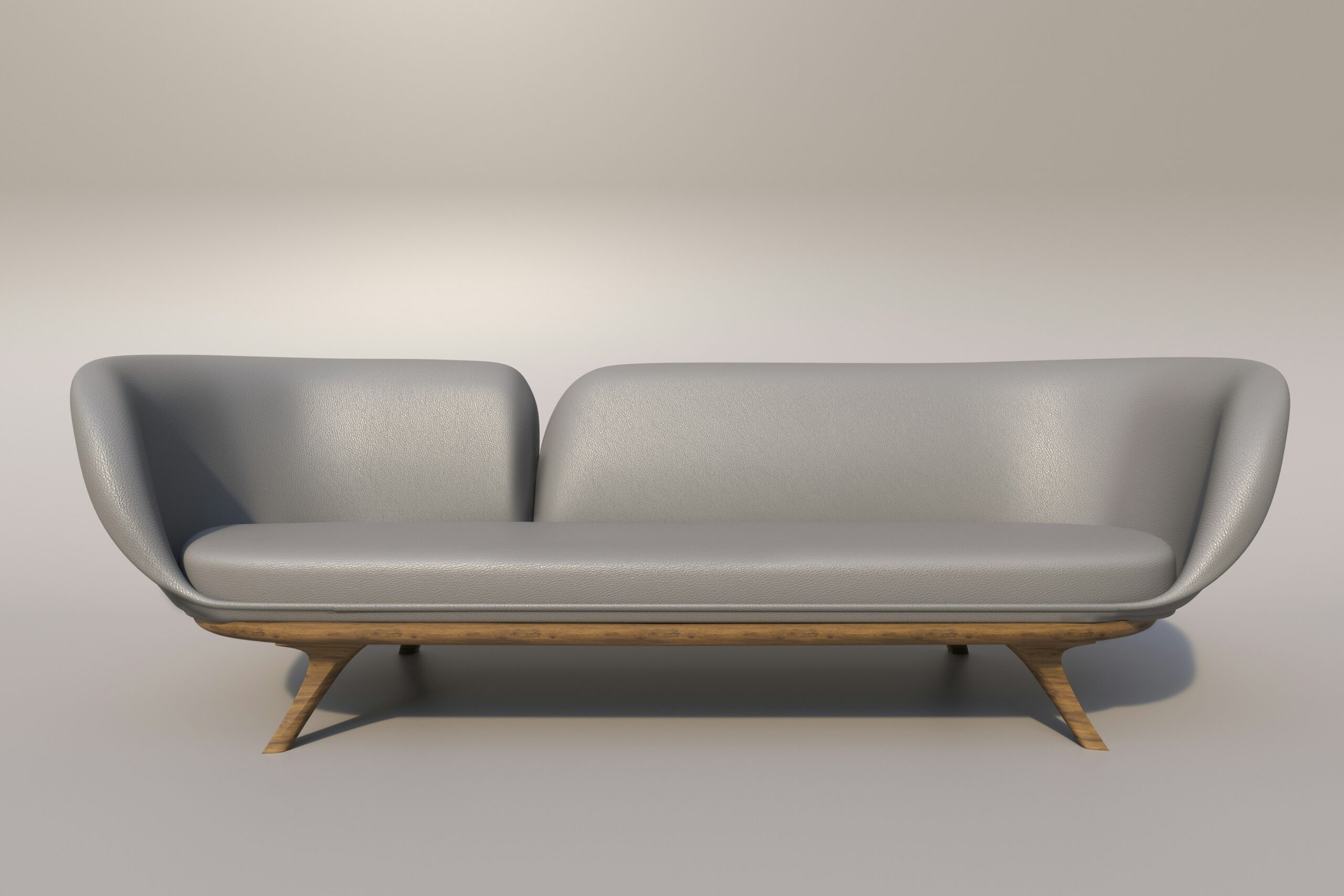
CAL 117, or California Technical Bulletin 117, is an industry-wide standard predominantly applicable to upholstered furniture in the United States and Canada. It is designed to evaluate the performance of fire-retardant treatments—like paints, coatings, and other suppressing materials—applied to furniture to minimise the risk of ignition.

The CAL 117 standard involves a two-stage evaluation process:

Stage 1: Fire Resistance Rating (FR)

This rating assesses the material’s ability to resist fire. It is categorised as follows:

RatingDescription
FR-0No protection. The material is highly flammable.
FR-1Can extinguish a small fire and protect from moderate heat.
FR-2Can resist moderate heat for a brief duration.
FR-3Can withstand extreme heat for a short period.
FR-4 or higherDeemed capable of enduring fire for an extended period.

Stage 2: Fire Containment Rating (CR)

This rating assesses how quickly the material can halt a fire’s progress.

RatingDescription
CR-0Lacks capacity to contain a fire.
CR-1Takes 30 minutes or more to suppress a fire.
CR-2Takes 15 minutes or more to suppress a fire.
CR-3Can extinguish a fire within 10 minutes (highest efficiency).

What is CAL 133?

CAL 133 is a more stringent fire rating standard, primarily directed at upholstered furniture intended for use in commercial settings and high-risk public occupancies. These spaces include:

  • Government buildings
  • Offices with 10+ employees
  • Hospitals and nursing homes
  • Daycare centers
  • Schools and auditoriums
  • Public stadiums and assembly areas

While CAL 133 shares some similarities with CAL 117, it is significantly more rigorous. The key difference is that CAL 133 requires a full-scale item test, assessing not just the materials used, but the entire furniture structure (e.g., a complete chair or sofa).

The CAL 133 Full-Scale Test:
During testing, a complete piece of furniture is subjected to ignition for 80 seconds using a gas burner. The test measures and compares various factors, including:

  • Temperature
  • Carbon monoxide emissions
  • Heat generation
  • Smoke production
  • Weight loss

This comprehensive testing method makes CAL 133 a much more severe and reliable standard for high-risk settings. The demanding nature of this test, along with the associated costs (testing fees can range from $500-$600 per item), makes it a substantial financial and logistical challenge for manufacturers.


Key Differences: CAL 117 vs. CAL 133

FeatureCAL 117CAL 133
Primary ApplicationGeneral upholstered furniture (US & Canada)Commercial/public spaces, high-risk occupancies
Scope of TestingFocuses on filling materials and fabrics (component-level)Full-scale item test (entire piece of furniture)
Test MethodBench-scale tests on individual materials80-second gas burner ignition test on complete item
Level of RigorFoundational standardMore stringent and comprehensive
Ideal ForResidential, low-risk commercial settingsHigh-risk public spaces requiring maximum fire safety

Sourcing Furniture with CAL 117 or CAL 133 Compliance from China

When sourcing upholstered furniture from China, ensuring it meets the required fire rating is non-negotiable. Here’s a step-by-step guide.

Step 1: Define Your Requirements

  • Identify Your Need: Determine if your project requires CAL 117, CAL 133, or another standard.
  • Know Your Setting: Is the furniture for a residential, general commercial, or high-risk public space?
  • Communicate Clearly: Specify the exact standard and rating level (e.g., CAL 133, FR-3, CR-2) in your product specifications.

Step 2: Find the Right Suppliers

  • Specialised Factories: Look for manufacturers with experience in producing contract-grade or commercial furniture for export markets.
  • Verify Capabilities: Not all factories are set up for the rigorous testing required for CAL 133 compliance.
  • Sourcing Partners: A company like We Do Import can identify suppliers with proven experience in meeting international fire safety standards.

Step 3: Vet and Verify Suppliers

  • Request Documentation: Ask for test reports or certificates from accredited laboratories.
  • Conduct Factory Audits: Verify their quality control processes and understanding of fire safety standards.
  • Ask Key Questions:
    • “Which CAL standard do you regularly comply with?”
    • “Can you provide test reports from an accredited lab?”
    • “How do you ensure material consistency across batches?”
    • “What is your process for sourcing fire-retardant materials?”

Step 4: Request and Test Samples

  • Order a Sample: This is essential. Insist on a full-size sample.
  • Request Test Documentation: Ask for the specific test report for that sample.
  • Conduct Independent Testing (Optional but Recommended): For critical projects, consider sending a sample to an accredited lab in your own country for validation.

Step 5: Quality Control and Pre-Shipment Inspection

  • Specify in Contract: Clearly state the required standard in your contract.
  • Material Verification: During production, ensure the correct fire-retardant materials are being used.
  • Pre-Shipment Inspection (PSI): This is vital. Have a third-party inspector or your sourcing partner verify that the finished goods match the approved sample and meet the required fire rating specifications.

Step 6: Manage Logistics and Compliance

  • Documentation: Ensure all compliance certificates and test reports are included with your shipment documentation.
  • Customs Clearance: Be prepared for customs authorities in your country to request proof of compliance.

Challenges and Considerations

  • Testing Costs: CAL 133 testing is expensive for manufacturers, which can impact the final product price.
  • Material Sourcing: Fire-retardant materials can be more expensive and may have a different feel or look.
  • Consistency: Ensure the manufacturer consistently sources the same compliant materials for your order.
  • Counterfeit Claims: Beware of suppliers who claim compliance without providing verifiable test reports.

How We Do Import Can Help You

Navigating the complexities of international fire safety standards is a significant challenge when sourcing furniture. We Do Import simplifies this process, ensuring your products meet the necessary regulations.

Our services include:

  • Supplier Identification & Vetting: We find suppliers with proven experience in manufacturing furniture to CAL 117 and CAL 133 standards.
  • Verification of Compliance: We request and review test reports and certifications from suppliers.
  • Factory Audits: We assess a factory’s production processes and quality control.
  • Sample Management: We coordinate sample testing and review.
  • Quality Control & Inspections: We conduct rigorous pre-shipment inspections to verify the final goods meet your specifications and compliance requirements.
  • Logistics & Documentation: We ensure all compliance documentation is accurate and in order.

Our expertise minimises your risk and ensures you receive furniture that meets your safety and legal obligations.


Frequently Asked Questions

What is the main difference between CAL 117 and CAL 133?
CAL 117 is a foundational standard testing individual materials. CAL 133 is a more stringent standard that requires full-scale testing of a complete furniture item.

Which standard do I need for my project?
You need CAL 133 for commercial projects, public spaces, and high-risk occupancies. CAL 117 is suitable for residential or general, low-risk commercial settings. Always check with your local building authority.

Can Chinese manufacturers produce furniture that meets CAL 133?
Yes, many specialised manufacturers do. However, you must verify their capabilities and request proof of testing from accredited laboratories.

Is furniture compliant with CAL 133 more expensive?
Yes, typically. The cost of specialised fire-retardant materials and the required testing contributes to a higher final product price.

How can I verify compliance?
Request test reports from the manufacturer. For critical projects, consider having an independent, accredited laboratory test a sample.


Final Thoughts

Understanding the difference between CAL 117 and CAL 133 fire ratings is essential for anyone involved in sourcing upholstered furniture. These standards are not just regulatory requirements; they are commitments to safety that protect lives and property.

When sourcing from China, clarity and due diligence are your best tools. Specify your requirements clearly, partner with reputable suppliers, and implement robust quality control measures.

Ready to source safe, compliant furniture for your project? Contact We Do Import today to ensure your furniture meets the highest safety standards.

Melamine vs. Laminate: A Comprehensive Guide for Furniture Sourcing


Here’s a question that comes up a lot in conversations with furniture manufacturers, kitchen cabinet makers, and interior designers: “I’m sourcing materials from China, but I’m confused about the difference between melamine and laminate. Which one is better for my project?”

The answer depends on your specific needs—budget, durability requirements, design preferences, and the intended use of the finished product. Both melamine and laminate are engineered surfaces that offer cost-effective alternatives to natural wood or stone, but they have distinct characteristics that make them suitable for different applications.

This guide provides a detailed comparison of melamine and laminate, their pros and cons, and practical advice on sourcing these materials from China.


What Is Melamine?

Melamine is an engineered material created by combining melamine resin with formaldehyde. This mixture forms a thermosetting plastic that is exceptionally strong, durable, and resistant to scratches, heat, and moisture.

Key Characteristics:

  • Composition: Melamine resin is dissolved and combined with formaldehyde, then heated and pressed onto a substrate, typically particleboard or medium-density fiberboard (MDF).
  • Appearance: Available in a wide variety of colors, patterns, and finishes. Advanced printing technology allows it to mimic natural materials like wood grain or stone.
  • Common Uses: Kitchen cabinets, countertops, shelves, furniture, and decorative panels.

Advantages of Melamine:

  • Cost-effective
  • Resistant to scratches, moisture, and stains
  • Available in many colors and patterns
  • Easy to clean and maintain
  • Lightweight compared to solid wood

Disadvantages of Melamine:

  • Can chip or crack under heavy impact (brittle)
  • Less heat-resistant than laminate (hot items can cause burn marks)
  • May have a flatter, less convincing appearance than high-end laminate

What Is Laminate?

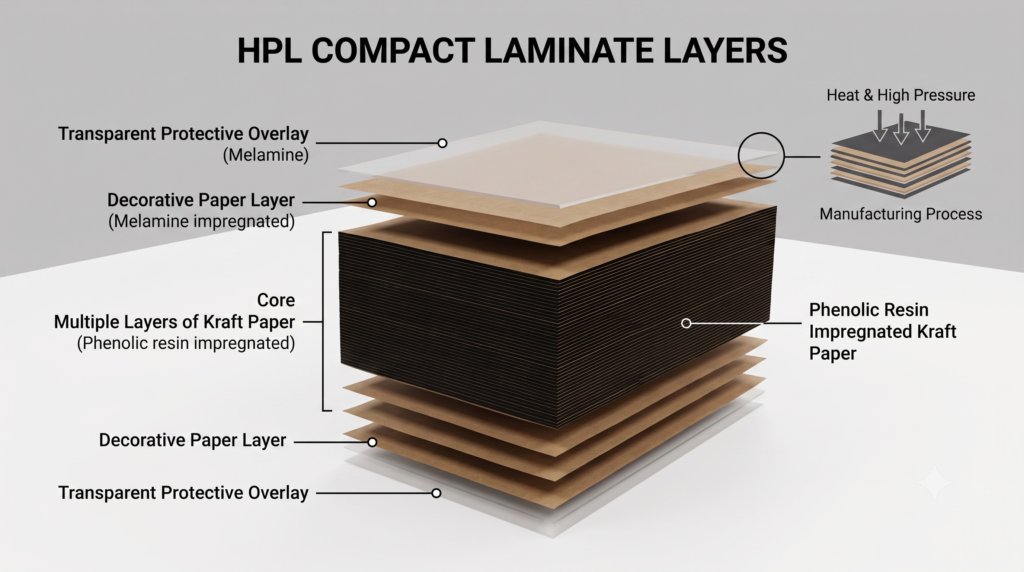
Laminate is a synthetic material made by bonding multiple layers of paper or fabric with resin under high pressure and heat. This process creates a dense, hard-wearing surface that is highly resistant to scratches, stains, and heat.

Key Characteristics:

  • Composition: Multiple layers of kraft paper impregnated with phenolic resin form the core, topped with a decorative layer and a clear protective overlay.
  • Appearance: Offers an extensive palette of colors, patterns, and textures. High-resolution printing technology can replicate natural materials with remarkable accuracy.
  • Common Uses: Countertops, flooring, wall panels, furniture, and high-traffic commercial surfaces.

Advantages of Laminate:

  • Highly durable and impact-resistant
  • Superior heat resistance
  • Resistant to fading, staining, and moisture
  • Extensive design options, including textured finishes
  • Long-lasting with proper care

Disadvantages of Laminate:

  • Generally more expensive than melamine
  • Can be more challenging to repair if damaged
  • May be heavier than melamine
  • Textured surfaces may require more careful cleaning

Key Differences Between Melamine and Laminate

Understanding the differences between these two materials is crucial for making the right sourcing decision.

FeatureMelamineLaminate
CompositionSingle layer of melamine resin bonded to a substrate (MDF/particleboard)Multiple layers of paper/fabric impregnated with resin, fused under high pressure
DurabilityGood, but can chip or crack under impactExcellent, with greater impact and scratch resistance
Heat ResistanceModerate (can burn or discolor with direct heat)High (more resistant to heat damage)
CostGenerally more affordableTypically more expensive
AppearanceWide variety of colors and patternsWider variety, including highly realistic textures and high-resolution prints
MaintenanceEasy to clean; avoid abrasive cleanersEasy to clean; textured surfaces may need more attention
Common ApplicationsCabinetry, shelving, affordable furnitureCountertops, flooring, high-use commercial furniture

Applications: Where to Use Each Material

Melamine is Best For:

  • Budget-conscious residential projects
  • Cabinetry and shelving in low-to-moderate use areas
  • Furniture where cost is a primary factor
  • DIY and flat-pack furniture

Laminate is Best For:

  • Kitchen countertops and high-heat areas
  • High-traffic commercial spaces (hotels, restaurants, offices)
  • Projects where durability and longevity are paramount
  • Applications requiring highly realistic wood or stone finishes
  • Flooring and wall panels

Sourcing Melamine and Laminate from China: A Step-by-Step Guide

China is a major global supplier of both melamine and laminate products. Here’s how to source them effectively.

Step 1: Define Your Project Requirements

  • Material Type: Melamine or laminate? (Refer to the comparison above.)
  • Application: What will the material be used for?
  • Design Specifications: Color, pattern, finish (glossy, matte, textured).
  • Thickness and Size: Standard or custom dimensions.
  • Quantity: Estimate your order volume to understand MOQs.
  • Budget: Set a clear budget, including shipping and import costs.

Step 2: Find the Right Suppliers

  • Major Hubs: Key manufacturing centers include Guangdong Province (Foshan, Guangzhou), Zhejiang Province, and Jiangsu Province.
  • Where to Look:
    • Online Platforms: Alibaba, Global Sources, and Made-in-China.
    • Trade Fairs: The Canton Fair and specialized furniture or building materials fairs.
    • Sourcing Partners: A company like We Do Import can identify and vet reliable suppliers.

Step 3: Vet and Verify Suppliers

This is critical to ensure quality and reliability.

  • Check Credentials: Ask for business licenses, factory photos, and quality certifications (e.g., ISO 9001).
  • Request Samples: This is non-negotiable. Order a sample to assess the quality, finish, thickness, and appearance firsthand.
  • Conduct Factory Audits: If possible, visit the factory or use a third-party service to verify their capabilities, production methods, and quality control processes.
  • Ask Key Questions:
    • “What is your quality control process?”
    • “Can you provide test reports for durability and fire resistance?”
    • “What is your lead time for production?”
    • “How do you ensure the material is properly protected for shipping?”
    • “Do you have experience exporting to our market?”

Step 4: Evaluate the Sample Thoroughly

  • Appearance: Does the sample match the color, pattern, and finish you requested?
  • Thickness: Verify it meets your specification.
  • Durability: Test the surface for scratch and stain resistance.
  • Edge Quality: Check for clean, consistent edges (especially for melamine).

Step 5: Negotiate and Finalize Terms

  • Pricing and Payment: Negotiate the unit price and payment terms (typically 30% deposit/70% before shipment).
  • MOQ: Confirm the minimum order quantity.
  • Lead Time: Agree on a production timeline.
  • Packaging: Specify how the material should be wrapped and crated for export to prevent damage.

Step 6: Quality Control and Inspection

  • Pre-Production Meeting: Discuss quality expectations with the manufacturer.
  • In-Process Inspection: If possible, have the production monitored.
  • Pre-Shipment Inspection (PSI): This is essential. Hire a third-party inspector or use your sourcing partner to inspect the finished order against the approved sample. This ensures you receive what you ordered and avoids shipment of substandard goods.

Step 7: Manage Logistics and Shipping

  • Shipping: Coordinate shipment via FCL or LCL.
  • Customs Clearance: Ensure all documentation (Commercial Invoice, Packing List, Bill of Lading) is accurate for your country’s customs.

How We Do Import Can Help You

Sourcing melamine and laminate materials from China requires specialized knowledge to navigate material grades, quality variations, and logistics. As a professional sourcing partner, We Do Import simplifies this complex process.

Our services include:

  • Supplier Identification & Vetting: We connect you with reliable, specialized manufacturers.
  • Due Diligence & Factory Audits: We verify supplier credentials and production capabilities.
  • Sample Management: We coordinate sample ordering and testing.
  • Price Negotiation: We secure competitive pricing and favorable terms on your behalf.
  • Quality Control & Inspections: We conduct rigorous pre-shipment inspections to guarantee quality and specification compliance.
  • Logistics & Customs Support: We manage shipping, documentation, and compliance, ensuring a smooth import process.

With our expertise, you can focus on your project while we handle the complexities of sourcing.


Frequently Asked Questions

What is the main difference between melamine and laminate?
Melamine is a single layer of resin bonded to a substrate, while laminate is made of multiple layers fused under high pressure. Laminate is generally more durable and heat-resistant.

Which material is more durable?
Laminate is more durable, with better impact resistance, scratch resistance, and heat resistance than melamine.

Is melamine cheaper than laminate?
Yes, melamine is typically more affordable due to its simpler manufacturing process.

Which material is better for kitchen countertops?
Laminate is generally better for countertops because of its superior heat and scratch resistance.

Can these materials mimic real wood?
Yes, both can mimic wood and other materials. However, high-quality laminate offers more realistic textures and high-resolution prints.

How do I verify quality when sourcing from China?
Request samples, conduct factory audits, and perform pre-shipment inspections. Working with a sourcing partner like We Do Import also helps ensure quality.


Final Thoughts

Choosing between melamine and laminate is a critical decision that impacts the aesthetics, performance, and cost of your furniture or interior design project. Melamine offers a cost-effective solution with good durability, while laminate provides superior performance and design versatility for demanding applications.

Sourcing these materials from China gives you access to a vast, competitive market. The key to success is understanding your needs, finding a reliable supplier, and managing quality through diligent sampling and inspection.

Ready to source melamine or laminate for your project? Contact We Do Import today to discuss your requirements.

Compact Laminate: The Ultimate Guide to This Versatile Material and Its Applications

Here’s a question that comes up a lot in conversations with furniture manufacturers, interior designers, and architects: “I’m seeing ‘compact laminate’ mentioned everywhere. What exactly is it, and why would I choose it over other materials for my project?”

The answer lies in its unique combination of durability, versatility, and aesthetic appeal. Compact laminate is an engineered material that performs exceptionally well in demanding environments, making it a preferred choice for both residential and commercial projects worldwide. China is a major producer of this material, offering a wide range of options for global buyers.

This guide provides a comprehensive overview of compact laminate, its benefits, varieties, applications, and practical advice on sourcing it from China.


What Is Compact Laminate?

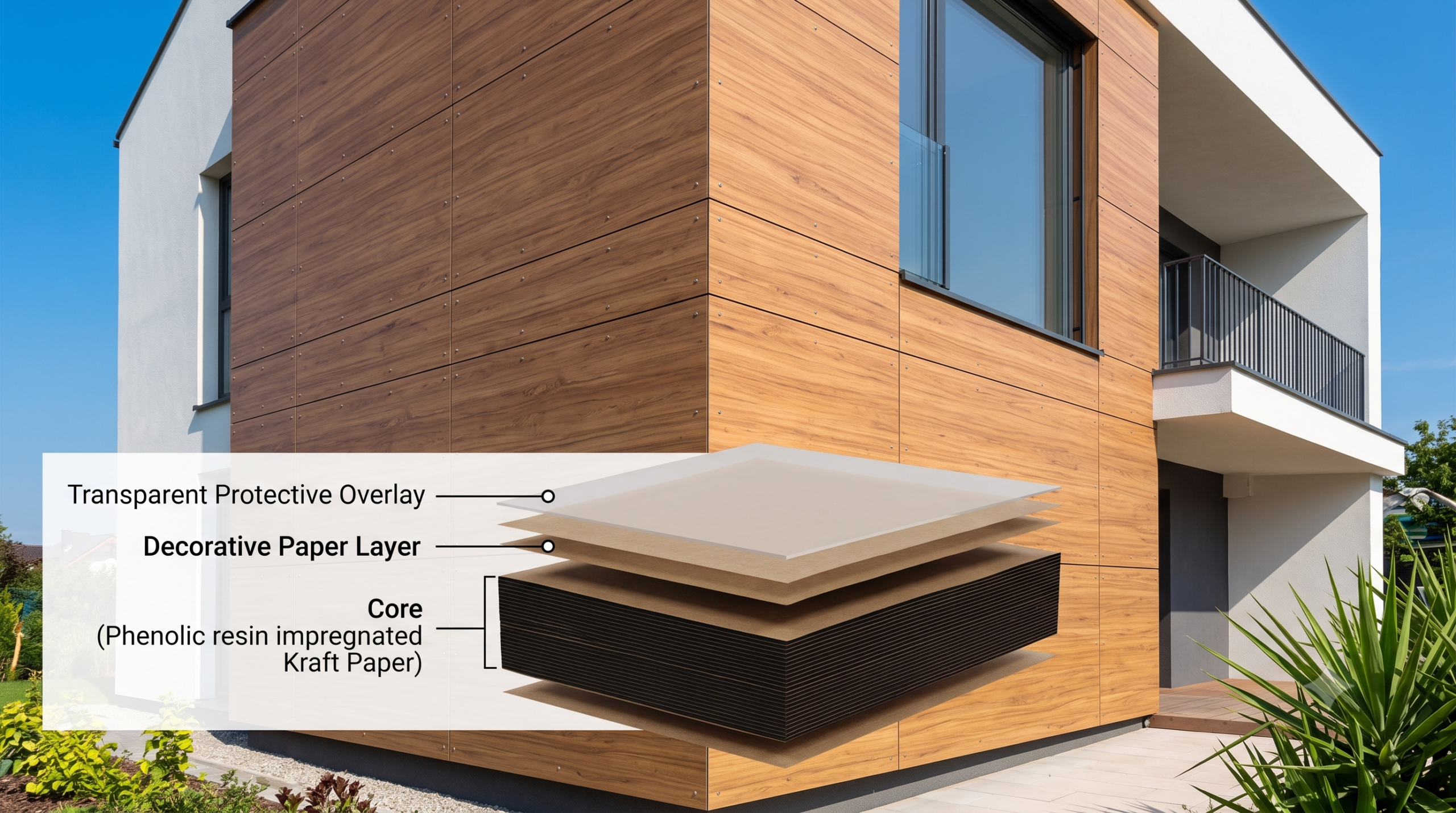
Compact laminate is a high-performance, solid material created by bonding multiple layers of resin-impregnated kraft paper with a decorative surface layer under high pressure and temperature. This process results in a dense, homogeneous, and extremely durable sheet.

Key Characteristics:

  • Composition: Multiple layers of kraft paper impregnated with phenolic resin form the core, topped with a decorative layer treated with melamine resin.
  • Appearance: Available in a wide range of colors, patterns, and textures. It can mimic wood, stone, or feature abstract designs.
  • Thickness: Typically ranges from 2mm to 30mm+, offering versatility for different applications.

Unlike standard laminates applied to a substrate (like MDF or particleboard), compact laminate is self-supporting. It has a black or brown core (visible at the edges) and is notably thinner and more resistant to dents and scratches than materials with other cores.


Why Choose Compact Laminate? Key Benefits

Compact laminate offers a compelling set of advantages that make it a superior material for many applications.

1. Exceptional Durability

Its dense, solid construction makes it incredibly robust. It is highly resistant to:

  • Scratches and Impact: Withstands heavy use without showing wear.
  • Abrasion: Ideal for high-traffic areas.
  • Bumps and Dents: Maintains its surface integrity.

2. Superior Resistance

  • Moisture and Water: Non-porous surface prevents liquid absorption, making it ideal for kitchens, bathrooms, and outdoor settings.
  • Stains and Chemicals: Resistant to most household and industrial chemicals, including cleaning agents.
  • Heat: Offers good heat resistance, suitable for tabletops.
  • UV Rays: Resistant to fading and discoloration from sunlight.

3. Low Maintenance

  • Easy to Clean: A simple wipe with a damp cloth is usually sufficient.
  • Hygienic: Non-porous surface inhibits the growth of bacteria and mold.
  • Long-Lasting: Maintains its appearance for years with minimal care.

4. Design Versatility

  • Aesthetic Range: Available in an extensive array of colors, patterns, woodgrains, and textures.
  • Finishes: Options include high-gloss, matte, textured, and wood-grain effects.
  • Customizable: Can be cut, machined, and shaped for various uses.

5. Environmental Benefits

  • Resource Efficiency: Made from wood fibers (kraft paper) from responsibly managed sources.
  • Durable and Long-Lasting: Reduces the need for frequent replacement.
  • Recyclable: Can be recycled at the end of its life cycle.

Types of Compact Laminate

Compact laminate comes in a few main varieties, each suited to different applications.

TypeCompositionBest For
Solid Compact LaminateUniform texture and thickness, made entirely of resin-impregnated layers.Countertops, tabletops, furniture surfaces, wall cladding.
Plywood LaminateA decorative laminate layer bonded to a plywood substrate.Wall cladding, cabinetry, furniture where a wood core is desired.
Particle Board LaminateA decorative laminate layer bonded to a particleboard core.Doors, cabinets, furniture, and applications requiring a smooth, uniform surface.

Common Applications of Compact Laminate

Compact laminate’s versatility makes it suitable for a wide range of environments.

Application AreaExamples
ResidentialKitchen countertops, bathroom vanities, tabletops, shelving, furniture.
CommercialRestaurant tables, hotel furniture, retail displays, office workstations.
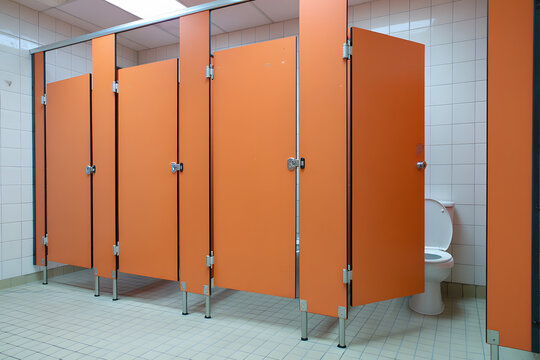
Public SpacesRestroom cubicles, lockers, seating, wall cladding in gyms, schools, hospitals.
ExteriorOutdoor furniture, facade cladding, garden structures.
Industrial/SpecializedLaboratory worktops, clean room surfaces, durable signage.

Sourcing Compact Laminate from China: A Step-by-Step Guide

China is a leading global manufacturer of high-quality compact laminate. Sourcing directly can offer significant cost advantages. Here’s how to do it effectively.

Step 1: Define Your Requirements

  • Application: Where will the material be used? (This determines the needed thickness and type.)
  • Design: Color, pattern, finish (glossy, matte, textured).
  • Dimensions: Sheet size and thickness required.
  • Quantity: Estimate your order volume to understand MOQs.
  • Certifications: Any specific standards required in your target market (e.g., fire rating, formaldehyde emission).

Step 2: Find the Right Suppliers

  • Major Hubs: Key manufacturing centers include Guangdong Province (especially Foshan and Guangzhou), Zhejiang Province, and Jiangsu Province.
  • Where to Look:
    • Online Platforms: Alibaba, Global Sources, and Made-in-China.
    • Trade Fairs: The Canton Fair and specialized building materials fairs.
    • Sourcing Partners: A company like We Do Import can identify and vet reliable suppliers.

Step 3: Vet and Verify Suppliers

This is critical to ensure quality and reliability.

  • Check Credentials: Ask for business licenses, factory photos, and quality certifications (e.g., ISO 9001, relevant environmental standards).
  • Request Samples: This is non-negotiable. Order a sample to assess the quality, finish, thickness, and appearance firsthand.
  • Conduct Factory Audits: If possible, visit the factory or use a third-party service to verify their capabilities and production quality control.
  • Ask Key Questions:
    • “What is your production capacity and lead time?”
    • “Can you provide test reports for durability, fire resistance, and UV stability?”
    • “What is your quality control process for consistency?”
    • “How do you ensure the material is properly protected for shipping?”

Step 4: Evaluate the Sample Thoroughly

  • Appearance: Does the color, pattern, and finish match your requirements?
  • Thickness: Verify it meets your specification.
  • Durability: Test the surface for scratch and stain resistance.
  • Core and Edge: For solid compact laminate, inspect the color and density of the core.

Step 5: Negotiate and Finalize Terms

  • Pricing and Payment: Negotiate the unit price and payment terms (typically 30% deposit/70% before shipment).
  • MOQ: Confirm the minimum order quantity.
  • Lead Time: Agree on a production timeline.
  • Packaging: Specify how the sheets should be wrapped and crated for export to prevent damage during transit.

Step 6: Quality Control and Inspection

  • Pre-Production Meeting: Discuss quality expectations with the manufacturer.
  • In-Process Inspection: If possible, have the production monitored.
  • Pre-Shipment Inspection (PSI): This is essential. Hire a third-party inspector or use your sourcing partner to inspect the finished order against the approved sample. This ensures you receive what you ordered and avoids shipment of substandard goods.

Step 7: Manage Logistics and Shipping

  • Shipping: Coordinate shipment via FCL or LCL.
  • Customs Clearance: Ensure all documentation (Commercial Invoice, Packing List, Bill of Lading) is accurate for your country’s customs.

Installation and Maintenance Tips

Installation:

  • Follow the manufacturer’s installation instructions carefully.
  • Use appropriate adhesives designed for laminate.
  • Minimize seams for a cleaner look.
  • For high-gloss materials, take extra care to prevent surface damage during installation.

Maintenance:

  • Cleaning: Use a soft cloth with mild detergent and water. Avoid abrasive cleaners, steel wool, or scouring pads.
  • Spills: Wipe up spills promptly.
  • Heat: Use coasters or trivets under hot items.
  • Protection: Use protective pads under furniture to prevent scratching.

How We Do Import Can Help You

Sourcing compact laminate from China requires specialized knowledge to navigate material grades, quality variations, and logistics. As a professional sourcing partner, We Do Import simplifies this complex process.

Our services include:

  • Supplier Identification & Vetting: We connect you with reliable, specialized manufacturers.
  • Due Diligence & Factory Audits: We verify supplier credentials and production capabilities.
  • Sample Management: We coordinate sample ordering and testing.
  • Price Negotiation: We secure competitive pricing and favorable terms on your behalf.
  • Quality Control & Inspections: We conduct rigorous pre-shipment inspections to guarantee quality and specification compliance.
  • Logistics & Customs Support: We manage shipping, documentation, and compliance, ensuring a smooth import process.

With our expertise, you can focus on your project while we handle the complexities of sourcing.


Frequently Asked Questions

What is the difference between compact laminate and regular laminate?
Regular laminate is a thin surface layer bonded to a substrate like particleboard or MDF. Compact laminate is self-supporting and solid, with no substrate layer.

Is compact laminate waterproof?
Compact laminate is highly water-resistant and non-porous, making it suitable for wet environments like bathrooms and kitchens. However, proper sealing of edges is recommended for full waterproofing.

Can compact laminate be used outdoors?
Yes. Its UV-resistant, water-resistant, and fire-resistant properties make it suitable for exterior applications like cladding and outdoor furniture.

How durable is compact laminate?
It is exceptionally durable, resisting scratches, impacts, stains, and chemicals. It is ideal for high-traffic commercial areas.

Is compact laminate environmentally friendly?
Yes, it is made from wood fibers (a renewable resource), is durable (reducing replacement needs), and can be recycled.

How do I ensure quality when sourcing from China?
Order samples, conduct factory audits, and perform a pre-shipment inspection. Working with a sourcing partner like We Do Import is the most effective way to ensure quality.


Final Thoughts

Compact laminate is a remarkable material that combines beauty, durability, and versatility. Its ability to withstand demanding environments while offering a wide range of aesthetic options makes it an excellent choice for countless applications, from residential kitchens to high-traffic commercial spaces.

Sourcing compact laminate from China offers significant cost benefits and access to a vast array of products. The key to success lies in understanding your needs, finding a reliable supplier, and implementing robust quality control measures.

Ready to source compact laminate for your project? Contact We Do Import today to discuss your requirements.

China Furniture Sourcing: The Ultimate Guide for Global Importers


Here’s a question that comes up a lot in conversations with furniture retailers, interior designers, and business owners around the world: “I know China is the go-to place for furniture, but the process seems overwhelming. Where do I even start?”

The answer is a structured, step-by-step approach. China remains the world’s undisputed leader in furniture manufacturing, offering an unmatched combination of variety, quality, and cost-effectiveness. However, successful sourcing requires more than just finding a supplier. It demands a clear strategy, from defining your needs to managing logistics and quality control.

This comprehensive guide covers everything you need to know about sourcing furniture from China, including the types available, where to find them, a step-by-step process, cost considerations, and how to avoid common pitfalls.


Why China Leads the Global Furniture Market

China’s dominance in furniture manufacturing is the result of several key factors:

  • Scale and Infrastructure: Thousands of specialized factories equipped with modern machinery.
  • Skilled Workforce: Experienced craftsmen and production managers.
  • Supply Chain Ecosystem: Proximity to raw materials and supporting industries.
  • Adaptability: Ability to quickly respond to global trends and customization requests.
  • Cost-Effectiveness: Economies of scale that drive down production costs.

Key production centers like Guangdong, Zhejiang, Fujian, and Shandong contribute significantly to global furniture supply, covering everything from budget-friendly items to high-end luxury pieces.


Types of Furniture You Can Source from China

Chinese manufacturers offer an incredibly diverse product range. Here are the primary categories:

CategoryExamples
Home FurnitureSofas, beds, dining tables, wardrobes, bookshelves.
Office FurnitureDesks, ergonomic chairs, filing cabinets, workstations.
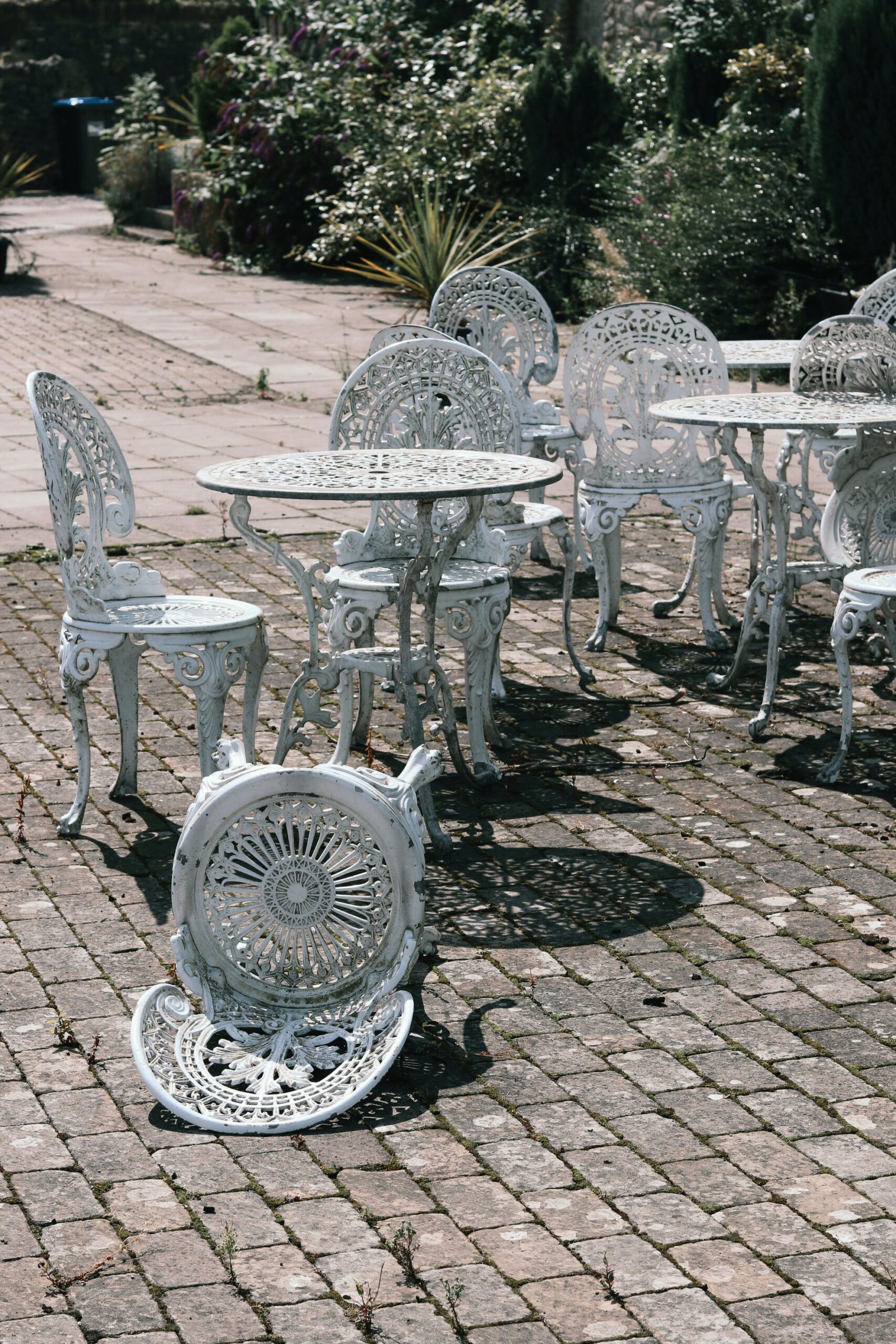
Outdoor & Garden FurnitureRattan sets, aluminum chairs, teak tables, parasols.
Hotel & Hospitality FurnitureLobby seating, restaurant chairs, guest room furniture, villa pieces.
Custom & OEM FurnitureFurniture designed to your specifications and branded with your label.
Retail & Commercial FurnitureDisplay shelving, counters, fitting room furniture.

Where to Buy Furniture from China

There are several channels to find and connect with furniture manufacturers.

1. Physical Furniture Markets & Hubs

Visiting these markets allows you to see, touch, and test the quality firsthand.

  • Foshan Furniture City: The largest furniture market in China, offering everything from modern to luxury styles.
  • Lecong International Furniture Market: A massive trading center in Shunde with over 3,000 showrooms.
  • Shunde Furniture City: Offers a full range of furniture, from low-end to high-end.

2. Online B2B Platforms

If you cannot travel, online platforms are the most accessible option.

  • Alibaba: The largest platform, with thousands of suppliers.
  • Made-in-China: A reliable source for verified manufacturers.
  • Global Sources: Known for its focus on quality and trade shows.
  • 1688.com: Alibaba’s domestic platform for China, offering even lower prices (requires a local agent or expertise).

3. Trade Shows & Exhibitions

Attending fairs is an excellent way to meet suppliers, see new designs, and negotiate directly.

  • China International Furniture Fair (CIFF): Held twice a year in Guangzhou and Shanghai.
  • Canton Fair: China’s largest comprehensive trade fair, held in Guangzhou.

A Step-by-Step Guide to Sourcing Furniture from China

Here is a proven process for a successful sourcing journey.

Step 1: Identify Your Needs

  • Define Your Product: Be clear on the type, style, materials, and finish.
  • Determine Quantity: Estimate your order volume to understand MOQs.
  • Set a Budget: Include product cost, shipping, and import duties in your total landed cost.

Step 2: Research and Find Suppliers

  • Use the Channels Above: Leverage online platforms, trade shows, or sourcing partners.
  • Check Credentials: Look for suppliers with verifiable business licenses and export experience.
  • Create a Shortlist: Select 3-5 potential suppliers to engage with.

Step 3: Vet and Verify Suppliers

This is the most critical step to avoid scams and low-quality products.

  • Request a Factory Audit: Ask for photos, a video tour, or use a third-party service.
  • Check References: Ask for contact details of past clients.
  • Verify Certifications: Look for ISO 9001 or other relevant industry certifications.

Step 4: Request and Evaluate Samples

  • Order Samples: Request samples of the exact product you plan to order.
  • Test Thoroughly: Assess the quality, materials, finish, and durability.
  • Compare: If possible, order samples from multiple shortlisted suppliers.

Step 5: Negotiate Prices and Terms

  • Product Price: Negotiate the unit cost based on your quantity.
  • Payment Terms: Typical terms are 30% deposit and 70% before shipment.
  • Lead Time: Agree on a clear production and delivery schedule.
  • Incoterms: Decide on shipping terms (e.g., FOB, CIF).

Step 6: Manage Production and Quality Control

  • Maintain Communication: Stay in regular contact with the supplier.
  • Conduct Inspections: Implement pre-production, in-process, and pre-shipment inspections.
  • Pre-Shipment Inspection (PSI): This is essential. Have a third party inspect the goods before they leave the factory.

Step 7: Manage Logistics and Shipping

  • Choose a Freight Forwarder: Coordinate the shipment.
  • Prepare Documentation: Ensure all documents are accurate for customs.
  • Calculate Total Cost: Recalculate your final landed cost.

Common Mistakes to Avoid When Buying Furniture from China

MistakeHow to Avoid It
Not verifying suppliersAlways check business licenses and conduct due diligence.
Skipping product samplesNever order in bulk without testing a sample.
Misunderstanding IncotermsClearly define who pays for freight and insurance.
Forgetting about inspectionsAlways conduct a pre-shipment inspection.
Ignoring logistics complexitiesUse experienced freight forwarders and understand customs processes.
Not using a sourcing partnerA trusted partner can manage the entire process for you.

Understanding Costs and Pricing

Factory vs. Retail Pricing

Purchasing directly from Chinese factories can yield savings of 50-70% compared to Western retail prices by eliminating intermediaries.

Hidden Costs

Factor in all expenses to calculate your true landed cost:

  • Product Cost
  • Packaging
  • Freight Charges (Sea, Air, or Rail)
  • Insurance
  • Import Duties and Taxes
  • Local Delivery Fees

Negotiation Tips

  • Be courteous but firm.
  • Leverage volume and repeat business for better pricing.
  • Understand that prices are often negotiable.

Shipping and Logistics for China Furniture

Main Shipping Methods

  • Sea Freight: Most economical for large, bulky orders.
  • Air Freight: Faster but more expensive, suitable for smaller or urgent orders.
  • Rail Freight: A good option for inland destinations.

Customs and Documentation

Ensure you have accurate:

  • Commercial Invoice
  • Packing List
  • Bill of Lading
  • Certificate of Origin (if required)

Working with a Freight Forwarder

A professional forwarder ensures proper packaging, documentation, and clearance, protecting your goods from damage and delays.


Eco-Friendly and Sustainable Furniture Trends

Sustainability is a growing priority in the furniture industry. Many Chinese manufacturers now offer:

  • FSC-Certified Wood: From responsibly managed forests.
  • Recycled Materials: Using reclaimed wood or recycled plastics.
  • Water-Based Finishes: Reducing VOC emissions.
  • Bamboo: A fast-growing, renewable resource.

Identifying these suppliers aligns your business with consumer demand for ethical products.


How We Do Import Can Help You

Sourcing furniture from China is a complex process. As a professional sourcing partner, We Do Import simplifies this journey for you.

Our full-service solution includes:

  • Supplier Sourcing & Verification: We find and vet reliable manufacturers.
  • Due Diligence & Factory Audits: We verify credentials and production capabilities.
  • Price Negotiation: We secure competitive pricing and favorable terms.
  • Sample Management: We coordinate sampling and testing.
  • Quality Control & Inspections: We conduct rigorous pre-shipment inspections.
  • Logistics & Customs Support: We handle shipping, documentation, and compliance.

Our goal is to make your furniture sourcing experience smooth, safe, and profitable.


Frequently Asked Questions

What types of furniture can I source from China?
You can source virtually any type of furniture, including residential, office, outdoor, hotel, and custom OEM pieces.

Is furniture from China good quality?
Yes, quality ranges from budget to premium. Success depends on finding the right supplier and conducting proper quality control.

What is the minimum order quantity?
MOQs vary widely by product and factory, ranging from small trial orders to full container loads.

How do I find a reliable supplier?
Use online platforms, attend trade fairs, and consider using a sourcing partner for thorough vetting.

What are the most important steps to avoid problems?
Always verify suppliers, order samples, negotiate clearly, and conduct a pre-shipment inspection.

Why choose We Do Import?
We offer end-to-end management, rigorous quality control, and transparent pricing, ensuring a hassle-free sourcing experience.


Final Thoughts

Sourcing furniture from China offers immense opportunities for businesses worldwide. The key to success lies in a clear strategy: define your needs, find and verify a reliable supplier, manage quality, and handle logistics effectively.

With the right approach and a trusted partner, you can navigate the complexities of international sourcing and build a thriving furniture business.

Ready to start sourcing high-quality furniture from China? Contact We Do Import today and let’s bring your vision to life with confidence.

The Ultimate Guide to Sourcing Garden Furniture from China

Here’s a question that comes up a lot in conversations with furniture retailers, hoteliers, and landscape designers: “I want to source beautiful, durable garden furniture from China, but the process seems daunting. Where do I start, and what should I watch out for?”

The answer is a well-planned, step-by-step approach. China is the world’s leading manufacturer of outdoor and garden furniture, offering an incredible variety of materials, styles, and price points. However, successful sourcing requires more than just finding a supplier. It demands a clear understanding of materials, quality standards, effective communication, and logistics.

This comprehensive guide covers everything you need to know about sourcing garden furniture from China, from understanding material options to negotiating with suppliers and ensuring smooth delivery.


Why Source Garden Furniture from China?

China’s dominance in the garden furniture market is built on several key advantages:

  • Cost-Effectiveness: Competitive pricing due to efficient manufacturing and economies of scale.
  • Vast Supplier Network: Thousands of factories specialize in outdoor furniture, offering a wide range of styles and materials.
  • Quality and Innovation: Many manufacturers adhere to international quality standards and invest in modern production techniques.
  • Customization Capabilities: Extensive options for custom designs, materials, and finishes.
  • Scalability: Ability to handle both small and large orders efficiently.

Types of Garden Furniture You Can Source from China

Chinese manufacturers produce a wide array of garden furniture to suit different climates, styles, and budgets.

MaterialKey CharacteristicsBest For
Rattan (Natural & Synthetic)Durable, weather-resistant, lightweight, and flexible in design.Versatile outdoor settings, patios, and conservatories.
AluminumLightweight, rust-proof, corrosion-resistant, and low-maintenance.Coastal areas, modern designs, and frequent rearranging.
Teak WoodNaturally beautiful, highly durable, resistant to moisture and pests due to high oil content.Premium, elegant outdoor spaces; long-term investment.
Steel (Powder-Coated)Strong, stable, and available in various designs.Sturdy, contemporary settings; requires weather protection.
Synthetic Resin / PlasticHighly weather-resistant, low-maintenance, and affordable.Family-friendly, poolside, and budget-conscious projects.

Selecting the Right Materials for Your Garden Furniture

Choosing the right material is crucial for the longevity and appeal of your outdoor furniture. Here are the key factors to consider:

1. Weather Resistance

  • Sun Exposure: Materials like aluminum, synthetic rattan, and teak resist UV damage and fading.
  • Rain and Moisture: Teak, aluminum, and synthetic resin are naturally water-resistant. Steel requires powder coating to prevent rust.
  • Wind: Heavier materials like teak and steel are more stable in windy conditions.

2. Durability

  • Teak: Exceptionally durable and can last for decades.
  • Aluminum: Resistant to corrosion and rust.
  • Synthetic Rattan: Highly durable and resistant to cracking and peeling.
  • Steel: Strong and impact-resistant when properly coated.

3. Maintenance Requirements

  • Low Maintenance: Aluminum and synthetic resin require minimal upkeep (just cleaning).
  • Medium Maintenance: Teak may need occasional oiling to maintain its golden color (or can be left to weather to a silver-grey patina).
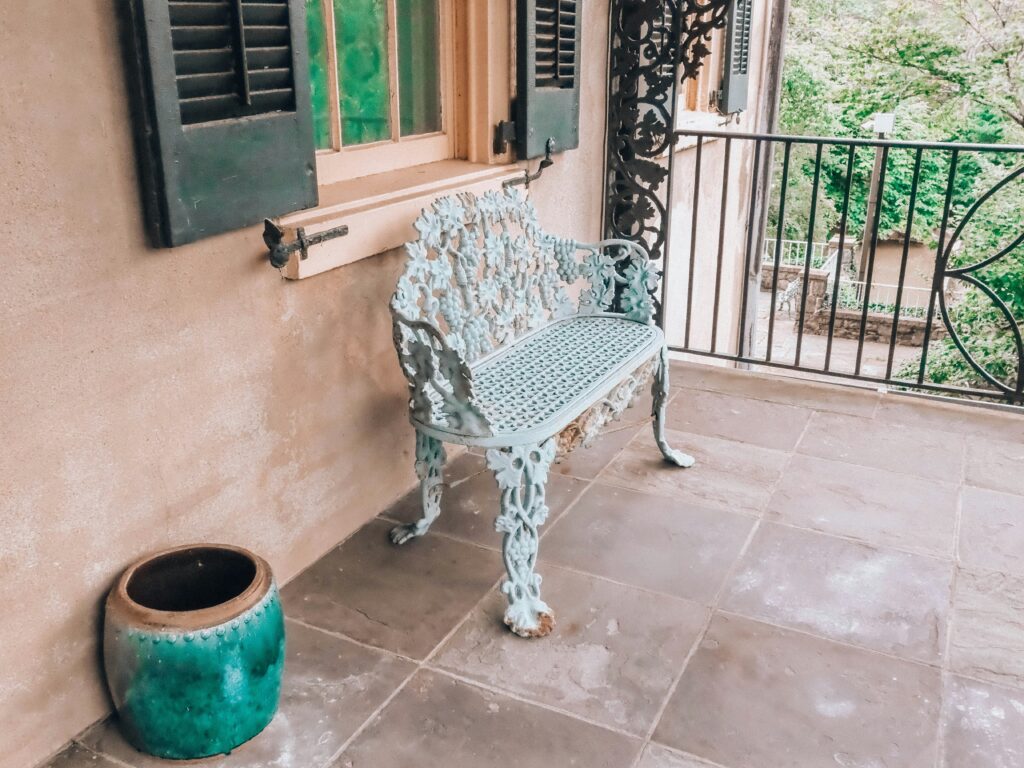
  • Higher Maintenance: Steel and wrought iron require regular checks for rust and repainting as needed.

4. Aesthetic Appeal

  • Natural Look: Teak offers a warm, classic beauty.
  • Modern Look: Aluminum and steel provide clean, contemporary lines.
  • Versatile Look: Synthetic rattan mimics natural wicker and suits various styles.

A Step-by-Step Guide to Sourcing Garden Furniture from China

Step 1: Define Your Requirements

  • Product Type: What specific furniture do you need (e.g., dining sets, loungers, sofas)?
  • Material: Choose the material based on climate and aesthetic.
  • Quantity: Estimate your order volume.
  • Design and Specifications: Have clear details on size, color, finish, and any customizations.
  • Budget: Determine your target price, including shipping and import costs.
  • Certifications: Identify any required safety or quality standards for your market.

Step 2: Research and Find Suppliers

  • Online Platforms: Use B2B sites like Alibaba, Global Sources, and Made-in-China.
  • Trade Fairs: Attend events like the Canton Fair or CIFF (China International Furniture Fair) to meet suppliers in person.
  • Physical Markets: Visit major hubs like Foshan Furniture City for hands-on inspection.
  • Sourcing Partners: A company like We Do Import can streamline the search for verified suppliers.

Step 3: Vet and Verify Suppliers

  • Check Credentials: Ask for business licenses, factory photos, and quality certifications (e.g., ISO 9001).
  • Evaluate Experience: Inquire about their export experience and client references.
  • Conduct a Factory Audit: If possible, visit the factory or use a third-party service to verify their capabilities and production quality.

Step 4: Request and Evaluate Samples

This step is non-negotiable.

  • Order Samples: Request samples of the exact product you plan to order.
  • Test Thoroughly: Assess the quality of materials, workmanship, finish, and comfort.
  • Check Weather Resistance: If possible, test the sample’s resistance to water, UV light, and scratches.
  • Compare: Order samples from multiple shortlisted suppliers to compare quality and value.

Step 5: Negotiate Prices and Terms

  • Product Price: Negotiate the unit cost based on your order quantity.
  • Payment Terms: Typical terms are 30% deposit to start production and 70% balance before shipment.
  • Lead Time: Agree on a clear production and delivery schedule.
  • Packaging: Specify how the furniture should be protected for shipping.
  • Incoterms: Decide on shipping terms (e.g., FOB, CIF).

Step 6: Manage Production and Quality Control

  • Maintain Communication: Stay in regular contact with the supplier.
  • Conduct Inspections: Implement a quality control plan:
    • Pre-Production Inspection: Check materials and samples before mass production.
    • In-Process Inspection: Monitor production if possible.
    • Pre-Shipment Inspection (PSI): This is essential. Hire a third-party inspector or use your sourcing partner to inspect the finished goods against the approved sample before they leave the factory.

Step 7: Manage Logistics and Shipping

  • Choose a Freight Forwarder: Coordinate the shipment.
  • Prepare Documentation: Ensure all documents are accurate for customs clearance.
  • Shipping Method: Sea freight is the most economical for large, bulky orders.

Communicating Effectively with Chinese Suppliers

Effective communication is vital to avoid misunderstandings.

  • Be Clear and Concise: Use simple, direct language in your instructions.
  • Use Visual Aids: Provide drawings, sketches, and pictures to illustrate your requirements.
  • Confirm Details in Writing: Summarize all key specifications, timelines, and agreements in a written contract.
  • Ask for Clarification: If anything is unclear, don’t hesitate to ask for more details.

Understanding Quality Standards

Quality can vary significantly. To ensure you receive durable, safe products:

  • Look for Certifications: ISO 9001 (quality management) and BSCI (social compliance) are positive indicators.
  • Specify Quality Grades: Be clear about the grade of materials (e.g., teak grade, aluminum thickness).
  • Use Third-Party Inspections: This provides an unbiased assessment of quality before shipping.

Customization Options: Creating Unique Garden Furniture

Chinese manufacturers offer extensive customization:

  • Design: Work with factories to create unique designs tailored to your brand or project.
  • Materials: Choose specific wood species, synthetic weaves, or metal finishes.
  • Colors and Finishes: Select from a wide palette of colors and surface treatments.
  • Branding: Have your logo or brand name applied to the furniture or packaging.

Negotiating Prices and Payment Terms

  • Do Your Research: Understand the market price for the product you are sourcing.
  • Be Respectful: Bargaining is common, but maintain a professional and courteous demeanor.
  • Leverage Volume: Offer larger orders or the promise of repeat business for better pricing.
  • Clarify Payment Terms: Discuss deposits, production milestones, and final payments clearly upfront.

Common Mistakes to Avoid

MistakeHow to Avoid It
Not verifying suppliersAlways check credentials and conduct due diligence.
Skipping the sample phaseNever order in bulk without testing a sample.
Misunderstanding costsFactor in all costs (shipping, duties, customs) for your total landed cost.
Ignoring quality controlAlways conduct a pre-shipment inspection.
Poor communicationBe clear, use visuals, and confirm details in writing.
Not using a sourcing partnerA trusted partner can manage the entire process, reducing risk and complexity.

How We Do Import Can Help You

Sourcing garden furniture from China is a multi-faceted process. As a professional sourcing partner, We Do Import simplifies this journey for you.

Our full-service solution includes:

  • Supplier Sourcing & Verification: We find and vet reliable manufacturers.
  • Due Diligence & Factory Audits: We verify credentials and production capabilities.
  • Price Negotiation: We secure competitive pricing and favorable terms.
  • Sample Management: We coordinate sampling and testing.
  • Quality Control & Inspections: We conduct rigorous pre-shipment inspections.
  • Logistics & Customs Support: We handle shipping, documentation, and compliance.

Our goal is to make your garden furniture sourcing experience smooth, safe, and profitable.


Frequently Asked Questions

What is the best material for outdoor furniture?
It depends on your climate and preferences. Teak is excellent for durability and natural beauty; aluminum is lightweight and rust-proof; synthetic rattan is versatile and low-maintenance.

Can I customize garden furniture from China?
Yes. Most manufacturers offer extensive customization options for design, materials, colors, and finishes.

What is the minimum order quantity?
MOQs vary by product and factory. It’s best to discuss this directly with your shortlisted suppliers.

How can I ensure the quality of garden furniture from China?
Order samples, conduct factory audits, and perform a pre-shipment inspection. Using a sourcing partner like We Do Import is the most reliable way to ensure quality.

How do I handle shipping and logistics?
Sea freight is the most common method for garden furniture. Work with a reliable freight forwarder who understands furniture shipping and customs clearance.

Why choose We Do Import for sourcing garden furniture?
We provide end-to-end management, rigorous quality control, and transparent pricing, ensuring a hassle-free sourcing experience.


Final Thoughts

Sourcing garden furniture from China offers immense opportunities for businesses worldwide. Whether you are looking for classic teak, modern aluminum, or versatile rattan, China has the suppliers and manufacturing capabilities to meet your needs.

The key to success lies in a clear strategy: define your requirements, find and verify a reliable supplier, manage quality diligently, and handle logistics effectively. With the right approach and a trusted partner, you can navigate the complexities of international sourcing and build a thriving outdoor furniture business.

Ready to source beautiful, durable garden furniture from China? Contact We Do Import today to bring your vision to life with confidence.

The Ultimate Guide to Sourcing Quartz Countertops from China

Here’s a question that comes up a lot in conversations with kitchen designers, contractors, and homeowners: “I love the look and durability of quartz, but the prices from local suppliers are steep. Can I source high-quality quartz countertops directly from China?”

The short answer is a resounding yes. China has emerged as a global leader in quartz countertop manufacturing, offering an exceptional combination of quality, design variety, and cost-effectiveness. However, sourcing this engineered stone requires careful planning, from understanding the material itself to navigating supplier selection, quality control, and international shipping.

This comprehensive guide will walk you through everything you need to know about sourcing quartz countertops from China, ensuring a smooth and successful experience.


What Is Quartz? Understanding the Material

Quartz is an engineered stone, not a natural one. It is manufactured in factories by combining ground natural quartz crystals—typically over 90% of the composition—with polymer resins and pigments. This process results in a dense, non-porous, and highly durable surface.

Key Ingredients and Manufacturing

  • Raw Materials: Ground natural quartz, polymer resins (binders), and pigments for color.
  • Manufacturing Process:
    1. Blending: The quartz, resins, and pigments are mixed.
    2. Molding: For patterned quartz, specialized molds are used to create the desired veining and designs.
    3. Compression: The mixture is subjected to intense pressure and heat, consolidating it into a dense, solid slab.

Typical Specifications

  • Thickness: Common thicknesses range from 12mm (1/2 inch) to 30mm (1 1/4 inch). The most popular for residential use are 20mm and 30mm.
  • Slab Sizes: Standard slabs are often around 3.2m x 1.6m.
  • Shipping Volume: A standard 20-foot container can typically hold approximately 100 slabs of 20mm thickness in this standard size. Note: Always confirm loading quantities with your supplier.

Compliance Note: Be aware of increasing regulations on silica content, particularly in engineered stone. Some countries (e.g., Australia) have implemented strict standards to limit respirable crystalline silica (RCS). Verify the specific silica content requirements and documentation needs for your target market.

Available Styles and Designs

The design versatility of quartz is one of its greatest strengths. You can find slabs that mimic natural stone with remarkable accuracy:

  • Marble-Look Quartz: Features intricate veining for a luxurious, classic appearance.
  • Granite-Look Quartz: Replicates the speckled patterns of natural granite.
  • Solid Colors: Provides a sleek, contemporary look ideal for minimalist designs.
  • Textured Finishes: Offers leathered or honed surfaces for added depth and tactile interest.
  • Veined Quartz: Ranges from subtle, delicate lines to bold, dramatic patterns.

The Advantages of Quartz Countertops

Quartz has become a favorite for countertops, and for good reason:

1. Exceptional Durability

  • Non-Porous: Does not absorb liquids, preventing stains and bacterial growth.
  • Scratch-Resistant: Withstands daily wear and tear.
  • Heat-Resistant: More resistant to heat than many natural stones, though using trivets is still recommended.
  • Chip and Crack Resistant: Engineered to be tougher than natural stone.

2. Low Maintenance

  • No Sealing Required: Unlike granite, quartz never needs to be sealed.
  • Easy to Clean: Simply wipe with soap and water or a mild household cleaner.

3. Aesthetic Variety

  • Countless Colors and Patterns: Available in a vast spectrum to match any design style.
  • Consistent Appearance: Engineered to be uniform, offering a seamless, flawless look.

Why Source Quartz Countertops from China?

China has become the premier sourcing destination for quartz countertops due to several key advantages:

1. Superior Value and Cost-Effectiveness

Chinese manufacturers offer quartz countertops at significantly lower prices than many other countries. This affordability stems from efficient production processes, lower labor costs, and access to raw materials. This allows buyers to access high-end aesthetics at a fraction of the cost.

2. Commitment to Quality

The old perception of “Made in China” no longer holds true. Many factories are now world-class, adhering to rigorous international standards. Look for certifications like ISO 9001, which demonstrate a commitment to quality management systems.

3. Unmatched Design Variety

Chinese factories are at the forefront of innovation, offering an extensive range of patterns, textures, and finishes. From polished and honed to leathered finishes, and designs that accurately mimic Carrara, Calacatta, and other prestigious marbles, the possibilities are vast.

4. Customization Capabilities

Many manufacturers offer extensive customization options, including:

  • Custom Edge Profiles: To match your specific design requirements.
  • Unique Colors and Patterns: For branding or personalized projects.
  • Integrated Sinks: For a seamless, modern look.

5. Scalable Production and Reliable Supply Chain

China’s advanced manufacturing infrastructure allows suppliers to efficiently scale production, whether you need a single slab or a full container for a commercial project. Abundant access to raw materials ensures a steady and reliable supply chain.


Understanding Pricing and Perceived Value

The price of quartz countertops from China varies based on:

  • Material Quality: Higher quartz purity and premium resins increase cost.
  • Design Complexity: Intricate veining or specialized patterns are more expensive.
  • Finish and Features: Leathered finishes or custom edge profiles add to the price.
  • Brand Reputation: Established brands may command a premium.
  • Order Volume: Bulk orders from a quartz surface manufacturer can significantly reduce per-unit costs.

Perceived Value: The value proposition of Chinese quartz is strong. Customers can achieve the look of luxury natural stones like marble at a much more accessible price point. However, it’s crucial to verify quality through samples and due diligence to ensure the product meets your expectations. As Chinese manufacturers continue to invest in R&D and quality, the perceived value of their products continues to rise globally.


A Step-by-Step Guide to Sourcing Quartz Countertops from China

Step 1: Define Your Project Requirements

  • Thickness: 20mm, 30mm, or other?
  • Color and Pattern: Be specific about the desired style and veining.
  • Finish: Polished, honed, or leathered?
  • Edge Profile: Specify the edge detail (e.g., bevel, bullnose, waterfall).
  • Sizes and Shapes: Provide detailed drawings or templates of the required cuts.
  • Quantity: Determine how many slabs or fabricated pieces you need.
  • Certifications: Identify any specific silica content or other compliance requirements for your country.

Step 2: Research and Find Suppliers

  • Online B2B Platforms: Use Alibaba, Global Sources, and Made-in-China.
  • Trade Fairs: Attend the Canton Fair or specialized stone exhibitions.
  • Physical Markets: Visit major stone hubs.
  • Sourcing Partners: A company like We Do Import can streamline the search for verified suppliers.

Step 3: Vet and Verify Suppliers

  • Check Credentials: Ask for business licenses, factory photos, and certifications (ISO 9001, etc.).
  • Request Samples: Order samples of the exact quartz slab you are considering. This is non-negotiable.
  • Evaluate Samples: Inspect the sample for:
    • Color consistency and pattern accuracy.
    • Surface finish quality (polish, honed, etc.).
    • Overall density and solidity.
  • Conduct Factory Audits: If possible, visit the factory or hire a third-party service to assess their capabilities.

Step 4: Effective Communication and Documentation

  • Provide Detailed Technical Drawings: Use sketches or CAD files to illustrate dimensions, cutouts, and edge profiles.
  • Confirm Specifications in Writing: Summarize all key details in a formal contract.
  • Use Clear Language: Avoid jargon that could be misunderstood.
  • Ask for Clarification: Ensure the supplier understands your requirements perfectly.

Step 5: Negotiate Pricing and Terms

  • Product Price: Negotiate based on the quality, complexity, and quantity.
  • Payment Terms: Standard terms are a 30% deposit and 70% balance before shipment.
  • Lead Time: Agree on a clear production schedule.
  • Packaging: Specify how the slabs should be crated and protected for sea freight.

Step 6: Quality Control and Inspection

This is the most critical step to avoid receiving substandard goods.

  • Pre-Production Meeting: Discuss quality expectations.
  • In-Process Inspection: Monitor production if possible.
  • Pre-Shipment Inspection (PSI):This is essential. Hire a third-party inspector or use your sourcing partner to check the entire shipment against the approved sample and your specifications. They will check for:
    • Color and pattern consistency.
    • Thickness and dimensions.
    • Surface finish quality.
    • Proper packaging for export.

Step 7: Manage Logistics and Shipping

  • Choose a Reliable Freight Forwarder: Select a forwarder with experience in shipping heavy and fragile materials like stone.
  • Shipping Method: Sea freight is the most economical choice.
  • Prepare Documentation: Ensure you have accurate Commercial Invoices, Packing Lists, and a Bill of Lading.
  • Track Your Shipment: Use tracking tools to monitor progress.

How We Do Import Can Help You

Sourcing quartz countertops from China involves navigating material selection, supplier verification, quality control, and complex logistics. As a professional sourcing partner, We Do Import simplifies this entire process for you.

Our full-service solution includes:

  • Supplier Sourcing & Verification: We identify and vet reputable quartz manufacturers with proven export experience.
  • Due Diligence & Factory Audits: We verify supplier credentials and production capabilities.
  • Sample Management: We coordinate sample ordering and review.
  • Quality Control & Inspections: We conduct rigorous pre-shipment inspections to guarantee quality and specification compliance.
  • Negotiation: We secure competitive pricing and favorable terms on your behalf.
  • Logistics & Customs Support: We manage shipping, documentation, and compliance, ensuring a smooth import process.

Our expertise ensures you receive beautiful, high-quality quartz countertops without the risks and headaches of managing the process alone.


Frequently Asked Questions

What is the difference between quartz and natural stone?
Quartz is an engineered material made from ground quartz crystals and resins, while natural stone (like granite or marble) is quarried directly. Quartz is non-porous and requires no sealing.

Is quartz from China good quality?
Yes. Many Chinese factories operate with international certifications and produce high-quality quartz. Quality is verified through sampling and pre-shipment inspections.

Can I customize quartz countertops from China?
Yes, manufacturers offer extensive customization options, including colors, patterns, edge profiles, and sizes.

What is the minimum order quantity (MOQ)?
MOQs vary by supplier. Some may sell single slabs, while others require a minimum order for fabrication.

How are quartz countertops shipped?
They are typically shipped by sea freight, securely crated to prevent damage. A 20-foot container can hold approximately 100 standard slabs.

Do I need to worry about silica content regulations?
Yes, especially for engineered stone. Check the regulations in your target market (e.g., Australia’s restrictions on RCS). Reputable suppliers can provide documentation on silica content.

How do I ensure quality when ordering?
Order samples, conduct factory audits, and perform a pre-shipment inspection. Working with a sourcing partner like We Do Import is the most reliable way to ensure quality.


Final Thoughts

Sourcing quartz countertops from China offers a remarkable opportunity to access world-class materials at competitive prices. By understanding the material, doing your due diligence, and implementing a structured sourcing process, you can confidently enhance your kitchens, bathrooms, and commercial spaces with stunning, durable quartz.

Ready to source exceptional quartz countertops from China? Contact We Do Import today to discuss your project.

The Ultimate Guide to Sourcing Cast Aluminum Furniture from China


Here’s a question that comes up a lot in conversations with furniture retailers, hospitality buyers, and outdoor living specialists: “I’ve heard cast aluminum furniture is perfect for outdoor spaces, and China is the place to source it. But how do I find the right supplier and manage the process?”

The answer lies in understanding the material, following a structured sourcing process, and partnering with the right experts. Cast aluminum furniture offers an unbeatable combination of durability, style, and low maintenance, making it a top choice for hotels, restaurants, and residential projects worldwide. China, as the global leader in its production, provides access to competitive pricing, vast design options, and scalable manufacturing.

This comprehensive guide covers everything you need to know about sourcing cast aluminum furniture from China, from its benefits to supplier selection and quality control.


What Is Cast Aluminum Furniture?

Cast aluminum furniture is crafted through a process where molten aluminum is poured into meticulously designed molds. Once cooled and solidified, it precisely replicates the mold’s details, enabling the creation of intricate shapes and patterns that are difficult to achieve with other materials.

Key Characteristics:

  • Durability and Weather Resistance: Cast aluminum surpasses materials like wood and iron by resisting rust and corrosion. With proper care, it can last 15-20 years, offering a solid return on investment.
  • Lightweight and Versatile: Its lightweight nature allows for easy rearrangement, making it perfect for dynamic outdoor spaces like patios, poolside areas, and restaurants.
  • Aesthetic Appeal: Aluminum can be molded into a wide range of styles, from classic ornate designs to modern minimalist forms, enhancing any outdoor decor.
  • Low Maintenance: Protective powder coatings ensure resistance to scratches and fading, simplifying upkeep. Regular cleaning is minimal, allowing you to enjoy your outdoor space without extensive maintenance routines.

Why Source Cast Aluminum Furniture from China?

China has become the premier destination for sourcing cast aluminum furniture due to several compelling advantages:

1. Cost-Effectiveness

Chinese manufacturers offer highly competitive pricing due to lower labor and production costs. This results in substantial savings for businesses seeking quality furniture at affordable prices.

2. Quality Assurance

Many Chinese manufacturers have established a strong reputation for producing high-quality, durable products. By sourcing from China, businesses can leverage this quality assurance and receive products that meet stringent standards.

3. Extensive Product Variety and Customization

Chinese manufacturers boast extensive catalogs featuring a diverse range of designs, styles, and finishes. From contemporary and modern to classic and ornate, the options are virtually limitless. Customization is also widely available.

4. Scalability for Large Orders

Chinese factories are equipped to handle very large orders while maintaining consistent production levels. This scalability is ideal for commercial projects and growing businesses.

5. Reliable Supply Chains

Established Chinese manufacturers have developed sophisticated and reliable supply chains, ensuring efficient production, timely delivery, and minimized disruptions.

6. Access to Cutting-Edge Technology

Chinese manufacturing facilities are rapidly adopting advanced technologies and innovative processes to enhance efficiency, precision, and sustainability.

7. Global Market Expertise

Many Chinese manufacturers possess extensive experience in exporting to global markets. Their expertise in navigating international trade regulations, customs procedures, and shipping logistics ensures a seamless sourcing experience.


A Step-by-Step Guide to Sourcing Cast Aluminum Furniture from China

Step 1: Define Your Requirements

  • Product Type: What specific pieces do you need (e.g., dining sets, lounge chairs, bar tables)?
  • Design Style: Modern, traditional, minimalist, ornate? Provide images or sketches.
  • Finish: Specify color, texture (e.g., powder-coated, textured, glossy).
  • Quantity: Estimate your order volume to understand MOQs.
  • Budget: Set a clear budget, including shipping and import costs.
  • Certifications: Identify any required quality or safety standards.

Step 2: Research and Find Suppliers

  • Online Platforms: Use B2B sites like Alibaba, Global Sources, and Made-in-China.
  • Trade Fairs: Attend events like the Canton Fair or specialized furniture exhibitions.
  • Physical Markets: Visit major hubs like Foshan Furniture City for hands-on inspection.
  • Sourcing Partners: A company like We Do Import can streamline the search for verified suppliers.

Step 3: Vet and Verify Suppliers

This is the most critical step to avoid scams and low-quality products.

  • Check Credentials: Ask for business licenses, factory photos, and quality certifications (e.g., ISO 9001).
  • Evaluate Experience: Inquire about their export experience and client references.
  • Conduct a Factory Audit: If possible, visit the factory or use a third-party service to verify capabilities.
  • Request and Scrutinize Samples: This is non-negotiable. Order samples to assess quality, craftsmanship, and design accuracy.

Step 4: Understand Customization and MOQs

  • New Molds Are Expensive: Custom designs often require new cast molds, which can be costly.
  • Minimum Order Quantity (MOQ): Manufacturers may require a higher MOQ to offset these mold costs.
  • Spread the Cost: Ordering in larger quantities spreads the mold cost per unit, making customization more viable.
  • Budget for Molds: Factor in the expense of new cast molds when planning your budget.

Step 5: Negotiate Pricing and Terms

  • Product Price: Negotiate based on quality, complexity, and quantity.
  • Payment Terms: Standard terms are a 30% deposit and 70% balance before shipment.
  • Lead Time: Agree on a clear production and delivery schedule.
  • Packaging: Specify how the furniture should be protected for shipping.

Step 6: Manage Quality Control and Compliance

  • Establish Clear Standards: Define detailed requirements for materials, finish, and construction.
  • Conduct Inspections: Implement pre-production, in-process, and pre-shipment inspections.
  • Pre-Shipment Inspection (PSI): This is essential. Hire a third-party inspector or use your sourcing partner to check the finished goods against the approved sample.
  • Compliance with International Standards: Ensure products meet relevant standards (e.g., ASTM for materials and testing).

Step 7: Manage Logistics and Shipping

  • Choose a Freight Forwarder: Coordinate shipment.
  • Prepare Documentation: Ensure all documents are accurate for customs clearance.
  • Shipping Method: Sea freight is the most economical for large, bulky orders.

Design Trends in Cast Aluminum Furniture

When sourcing, be aware of current and emerging trends to offer products that appeal to your market:

  • Minimalist Designs: Clean lines and simple shapes are gaining popularity.
  • Geometric Patterns & Asymmetrical Arrangements: Add a modern touch to outdoor spaces.
  • Natural Elements: Incorporating wood accents or stone tabletops creates a harmonious blend of materials.

Common Mistakes to Avoid

MistakeHow to Avoid It
Not verifying suppliersAlways check credentials and conduct due diligence.
Skipping the sample phaseNever order in bulk without testing a sample.
Underestimating mold costsFactor in the expense of new molds for custom designs.
Ignoring quality controlAlways conduct a pre-shipment inspection.
Misunderstanding MOQsClarify minimum order requirements upfront.
Poor communicationBe clear, use visuals, and confirm details in writing.

How We Do Import Can Help You

Sourcing cast aluminum furniture from China is a multifaceted process. As a professional sourcing partner, We Do Import simplifies this journey for you.

Our full-service solution includes:

  • Supplier Sourcing & Verification: We find and vet reliable manufacturers with proven export experience.
  • Due Diligence & Factory Audits: We verify credentials and production capabilities.
  • Price Negotiation: We secure competitive pricing and favorable terms.
  • Sample Management: We coordinate sampling and testing.
  • Quality Control & Inspections: We conduct rigorous pre-shipment inspections.
  • Logistics & Customs Support: We handle shipping, documentation, and compliance.

Our goal is to make your cast aluminum furniture sourcing experience smooth, safe, and profitable.


Frequently Asked Questions

What is the lifespan of cast aluminum furniture?
With proper care, cast aluminum furniture can last 15-20 years due to its resistance to rust and corrosion.

Is cast aluminum furniture heavy?
No, it is significantly lighter than materials like wrought iron or cast iron, making it easy to move and rearrange.

Can I customize cast aluminum furniture from China?
Yes, but new designs often require new molds, which can be expensive and may increase the minimum order quantity.

What are the most important quality checks for cast aluminum furniture?
Key checks include assessing the quality of the casting (no voids or cracks), finish (powder coating adhesion), and stability of the assembled piece.

How can I ensure my supplier is reliable?
Request samples, conduct factory audits, check certifications, and ask for client references. Using a sourcing partner like We Do Import is also a reliable way to verify suppliers.


Final Thoughts

Sourcing cast aluminum furniture from China offers immense opportunities for businesses worldwide. Its combination of durability, style, and cost-effectiveness makes it a winning choice for outdoor commercial and residential spaces.

The key to success lies in a clear strategy: understand the material, define your needs, find and verify a reliable supplier, manage quality diligently, and handle logistics effectively. With the right approach and a trusted partner, you can navigate the complexities of international sourcing and build a thriving business.

Ready to source high-quality cast aluminum furniture from China? Contact We Do Import today to bring your vision to life with confidence.

The Ultimate Guide to Sourcing School Furniture from China


Here’s a question that comes up a lot in conversations with school administrators, facility managers, and educational buyers: “We need to furnish our classrooms, but budgets are tight. Can we source high-quality, safe school furniture from China without the headaches?”

The answer is yes. China is the world’s leading manufacturer of school furniture, offering an unmatched combination of affordability, variety, and customization. However, sourcing for educational environments requires special attention to safety standards, durability, and compliance. This guide provides a comprehensive roadmap to help you navigate the process successfully, from understanding product types to selecting reliable suppliers and managing logistics.


Types of School Furniture You Can Source from China

Chinese manufacturers offer an extensive array of school furniture to cater to different educational levels, from kindergarten to university. Understanding the categories will help you define your needs clearly.

CategoryExamplesKey Considerations
Desks and ChairsIndividual student desks, collaborative tables, ergonomic chairs, adjustable-height furniture.Student age, teaching methodology, ergonomics, and durability.
Storage SolutionsBookshelves, lockable cabinets, open shelving units, mobile storage carts.Classroom organization, accessibility, and multifunctionality.
Boards and DisplaysInteractive whiteboards, traditional bulletin boards, display cases.Ease of use, durability, and visibility.
Cafeteria and DiningDining tables, benches, cafeteria seating.High-traffic durability, easy-to-clean surfaces, and hygiene.
Library and LoungeComfortable seating, reading tables, study carrels.Comfort, durability, and creating a welcoming environment.
Laboratory and SpecialtyLab workstations with chemical-resistant surfaces, art tables.Specific safety standards, material resistance, and functionality.

Why Source School Furniture from China?

China has become the go-to destination for educational furniture for several compelling reasons:

1. Cost-Effectiveness

One of the biggest advantages is the significant cost savings. Chinese manufacturers offer highly competitive pricing due to lower labor costs, efficient production systems, and economies of scale. Schools can often purchase high-quality furniture at a fraction of the price compared to domestic options, freeing up budgets for other critical investments.

2. Extensive Range of Options

China offers an unparalleled variety of school furniture designs, materials, and customization options. From traditional wooden desks to modern ergonomic seating, suppliers provide solutions tailored for kindergartens, primary schools, high schools, and universities.

3. Robust Quality Control

Contrary to outdated myths, many Chinese manufacturers adhere to strict international quality standards (e.g., ISO 9001, EN standards, and BIFMA certifications). Reputable suppliers prioritize student safety, durability, and eco-friendly practices, implementing rigorous quality control (QC) throughout their operations. Many also welcome third-party inspections, verifying compliance with international safety and quality standards before shipment.

4. Customization Capabilities

One of the most compelling advantages is the opportunity to customize designs. Many manufacturers are highly flexible and willing to work with you to create bespoke furniture solutions that align with your school’s unique needs, branding, and pedagogical goals.

5. Scalability

Chinese factories are equipped to handle orders of all sizes, from furnishing a single classroom to outfitting an entire school district. Their ability to scale production ensures consistent quality and timely delivery for both small and large projects.


A Step-by-Step Guide to Sourcing School Furniture from China

Step 1: Define Your Needs

  • Identify Furniture Types: Based on the categories above, list what you need.
  • Determine Quantities: Calculate the number of pieces required for each type.
  • Establish Specifications: Define materials, dimensions, colors, and any special requirements (e.g., adjustable height, storage).
  • Set a Budget: Include product cost, shipping, customs, and installation.
  • Identify Compliance Needs: Determine the safety and quality standards required in your country (e.g., specific certifications, non-toxic materials).

Step 2: Research and Find Suppliers

  • Online Platforms: Use trusted B2B sites like Alibaba, Global Sources, and Made-in-China.
  • Trade Fairs: Attend events like the Canton Fair or specialized educational furniture exhibitions.
  • Physical Markets: Visit major hubs like Foshan Furniture City for hands-on inspection.
  • Sourcing Partners: A company like We Do Import can streamline the search for verified suppliers.

Step 3: Vet and Verify Suppliers

This is crucial for school furniture, where safety and durability are paramount.

  • Check Credentials: Ask for business licenses, factory photos, and quality certifications (ISO 9001, EN standards).
  • Evaluate Experience: Look for suppliers with a proven track record in manufacturing school or commercial furniture.
  • Conduct Factory Audits: If possible, visit the factory or hire a third-party inspection agency to assess their facilities, production processes, and quality control systems.
  • Request References: Ask for contact details of other educational institutions they have supplied.

Step 4: Request and Evaluate Samples

  • Request Physical Samples: This is non-negotiable. Order samples of the exact products you are considering.
  • Test Thoroughly: Assess the samples for:
    • Durability and Stability: Simulate real-world classroom use.
    • Safety: Check for sharp edges, stability, and non-toxic materials.
    • Comfort and Ergonomics: Ensure chairs and desks are comfortable for students.
    • Quality of Materials and Finish: Inspect for any defects or poor workmanship.

Step 5: Customize Designs (If Needed)

  • Communicate Clearly: Provide detailed specifications, drawings, or reference images for custom designs.
  • Understand Mold/Tooling Costs: New designs may involve upfront costs for molds, which can be significant.
  • Confirm MOQs: Custom projects often require higher minimum order quantities (MOQs).
  • Request Prototypes: Before mass production, ask for a prototype to ensure the final product meets your expectations.

Step 6: Negotiate Pricing and Terms

  • Product Price: Negotiate based on quality, complexity, and quantity.
  • Payment Terms: Standard terms are a 30% deposit and 70% balance before shipment.
  • Lead Time: Agree on a clear production and delivery schedule.
  • Packaging: Specify how the furniture should be packed and protected for shipping.

Step 7: Manage Quality Control

Implementing a robust quality control plan is essential for school furniture.

  • Pre-Production Inspection: Check materials and samples before mass production.
  • In-Process Inspection: Monitor production if possible.
  • Pre-Shipment Inspection (PSI): This is essential. Hire a third-party inspector or use your sourcing partner to check the finished goods against the approved sample and your specifications. This ensures safety, quality, and compliance.

Step 8: Manage Logistics and Shipping

  • Choose a Freight Forwarder: Select one with experience in handling large, bulky furniture shipments.
  • Prepare Documentation: Ensure all documents (Commercial Invoice, Packing List, Bill of Lading, Certificates of Origin) are accurate for customs clearance.
  • Calculate Total Landed Cost: Recalculate your final budget, including all shipping, insurance, and import duties.

Procurement Management and Sustainable Practices

Procurement Management

Sourcing school furniture can be a complex project. Professional procurement management ensures:

  • Streamlined Process: From supplier selection to delivery.
  • Risk Mitigation: Identifying and managing potential issues.
  • Quality Assurance: Ensuring products meet all specifications and standards.
  • On-Time Delivery: Keeping your project on schedule.

Implementing Sustainable Practices

  • Eco-Friendly Materials: Prioritize suppliers that offer products made from sustainable materials like bamboo, FSC-certified wood, or recycled plastic.
  • Durable Designs: Opt for sturdy, well-made furniture that is built to last, reducing overall consumption and waste.
  • Ethical Labor Practices: Look for suppliers that adhere to fair labor standards (e.g., BSCI certification).

Common Challenges and How to Avoid Them

ChallengeHow to Avoid It
Language BarriersUse clear, simple English; confirm details in writing; use visual aids; engage a bilingual sourcing agent.
Quality DiscrepanciesImplement rigorous inspections (pre-production, in-process, pre-shipment).
Misunderstanding Import CostsConsult a customs broker or freight forwarder early to understand all duties, taxes, and fees.
Unrealistic Lead TimesBuild buffer time into your project schedule for production, shipping, and customs clearance.
Poor CommunicationEstablish clear communication channels and maintain regular contact with your supplier.

How We Do Import Can Help You

Sourcing school furniture from China involves navigating complex requirements for safety, quality, and logistics. As a professional sourcing partner, We Do Import simplifies this entire process for you.

Our full-service solution includes:

  • Supplier Sourcing & Verification: We find and vet reliable manufacturers with proven experience in educational furniture.
  • Due Diligence & Factory Audits: We verify credentials and production capabilities.
  • Quality Control & Inspections: We conduct rigorous pre-shipment inspections to ensure safety and quality.
  • Price Negotiation: We secure competitive pricing and favorable terms.
  • Sample Management: We coordinate sampling and testing.
  • Logistics & Customs Support: We manage shipping, documentation, and compliance.

Our expertise ensures you receive safe, durable, and high-quality school furniture without the risks and headaches of managing the process alone.


Frequently Asked Questions

What are the most important safety standards for school furniture?
Key standards include ISO 9001 (quality management), EN standards (European safety), and BIFMA (American commercial furniture). Always ask for test reports and compliance documentation.

Can I customize school furniture from China?
Yes, many manufacturers offer extensive customization options for design, colors, dimensions, and materials. Be aware that this may involve higher MOQs and upfront mold costs.

How can I ensure the quality of school furniture from China?
Order samples, conduct factory audits, and perform a pre-shipment inspection. Working with a sourcing partner like We Do Import is the most reliable way to ensure quality.

Is school furniture from China durable?
Yes, many Chinese manufacturers produce highly durable furniture designed for the demanding environment of schools. Quality varies, which is why supplier verification is crucial.

How do I handle shipping and logistics?
Sea freight is the most economical method for large orders. Work with a reliable freight forwarder who understands furniture shipping and customs procedures.


Final Thoughts

Sourcing school furniture from China offers a strategic advantage for educational institutions worldwide. The combination of cost-effectiveness, variety, and customization capabilities is unmatched. The key to success lies in a clear strategy: define your needs, find and verify a reliable supplier, prioritize safety and quality, and manage logistics effectively.

With the right approach and a trusted partner, you can navigate the complexities and create inspiring, functional learning environments that benefit students for years to come.

Ready to source safe, durable school furniture from China? Contact We Do Import today to discuss your project and bring your vision to life with confidence.

Manufacturing in Guangdong: A Deep Dive into China’s Production Powerhouse


Here’s a question that comes up a lot in conversations with sourcing professionals: “I know Guangdong is a major manufacturing hub, but it’s a massive province. Where exactly should I focus my search for my specific product?”

The answer lies in understanding the province’s specialized industrial clusters. Guangdong is not one giant factory; it is a network of cities and districts, each with its own unique expertise, from electronics and furniture to lighting and stone products. Knowing which city specializes in what you need is the first step to efficient and successful sourcing.

This guide provides a comprehensive, city-by-city breakdown of Guangdong’s key production locations, helping you pinpoint the right place to source your products.


Why Guangdong?

Guangdong is the economic engine of China. It is the most populous province, contributing approximately 11% of the country’s total economic output, and accounts for one-third of China’s exports. Its strategic coastal location, advanced infrastructure, and deep manufacturing expertise make it the world’s factory for countless industries.

Key cities like Guangzhou, Shenzhen, and Foshan form the core of the Pearl River Delta, a massive economic zone that drives foreign trade, technology, and manufacturing. However, the economic strength is highly concentrated. Research shows that the economic development of Guangdong is centered on Guangzhou and Shenzhen, with these core cities demonstrating a strong radiation effect on surrounding areas. Cities farther from these two hubs, particularly in the eastern, western, and northern parts of the province, face challenges such as a more single industrial structure and a need for more support to attract talent and investment.

Recognizing this, the Guangdong provincial government is actively working to strengthen the radiating role of core cities and promote infrastructure interconnectivity to facilitate a more balanced regional development. The goal is to link the specialized industrial strengths of all regions with the innovation and market access of the core hubs.

  1. Guangzhou: The Capital of Operating Supplies and More
  2. Shenzhen: The Electronics and Innovation Capital
  3. Foshan: The Furniture and Industrial Powerhouse
  4. Dongguan: The Hub for Electronics, Toys, and Plastics
  5. Zhongshan: The Lighting Capital of the World
  6. Chaozhou: The Ceramics and Sanitary Ware Capital
  7. Yunfu: The Stone Capital
  8. Zhuhai: Advanced Manufacturing and Tech Hub
  9. Jiangmen: Sanitary Ware and Heavy Industry
  10. Huizhou: Electronics and Guitar Manufacturing
  11. Zhanjiang: A Key Port City
  12. Shaoguan: Iron and Steel Manufacturing

Guangdong’s Key Production Locations: A City-by-City Deep Dive

1. Guangzhou: The Capital of Operating Supplies and More

As the provincial capital and China’s third-largest city, Guangzhou is a major industrial, commercial, and trade center.

  • Core Specialization: Hotel Operating Supplies & Equipment. Guangzhou is the undisputed hub for hospitality procurement. This includes everything a hotel, restaurant, or catering business needs, such as:
    • Kitchen equipment and catering supplies.
    • Guestroom amenities, linens, and towels.
    • Cleaning supplies and housekeeping equipment.
    • Decorative accessories, chinaware, flatware, and glassware.
  • Electronics and Home Appliances: The city also has a significant presence in consumer electronics and appliance manufacturing.
  • Key Infrastructure: Home to the Canton Fair (China Import and Export Fair), China’s largest and most comprehensive trade fair, held twice a year since 1957. The fair is a critical event for buyers from around the world to meet suppliers across all product categories.
  • Industrial Parks: Specialized industrial parks, such as the Panyu District, host numerous suppliers for specific niches like hotel electronics (e.g., Kinhao brand for hotel appliances).

Guangzhou’s strength is its role as a massive trading and logistics hub, making it an ideal entry point for sourcing a diverse range of commercial and consumer goods.

2. Shenzhen: The Electronics and Innovation Capital

Located next to Hong Kong, Shenzhen is a global hub for technology and innovation, often called the “electronics capital of China”. The city’s economy is driven by high-tech and advanced manufacturing, and it is renowned for its unparalleled ecosystem, where the famous “Shenzhen speed” means you can go from an idea to a prototype in a day.

  • Core Specialization: Electronics and High-Tech Products. Shenzhen is the source for a vast range of products, including:
    • Consumer electronics (smartphones, tablets, laptops).
    • Drones, AI-enabled devices, and smart home appliances.
    • Electronic components, integrated circuits, and LEDs.
    • Cutting-edge sectors: 3D printers, AI glasses, and robotic systems.
  • The “3C Supply Chain”: Shenzhen has the world’s most dense supply chain for computers, communications, and consumer electronics (3C). The famous Huaqiangbei commercial district is a microcosm of this, where thousands of component shops and design studios are concentrated, allowing for hyper-fast prototyping and iteration.
  • Future Industries: The city is a pioneer in emerging technologies. The “Robot Valley” in Nanshan District and the “Embodied Intelligence Port” in Qianhai and Bao’an are home to over 130 companies working on robotics, sensors, and AI, creating a complete ecosystem from core parts to finished robots.

Shenzhen offers access to the latest technology and the most efficient, innovative supply chains in the world.

3. Foshan: The Furniture and Industrial Powerhouse

Foshan is the third-largest industrial region in Guangdong and is world-renowned for its manufacturing prowess, particularly in furniture.

  • Core Specialization: Furniture Production. Foshan, especially the Shunde District, is home to the world’s largest furniture manufacturing and wholesale ecosystem.
    • Lecong Furniture City: This is the epicenter of the global furniture trade. With over 180 modern malls covering more than 4 million square meters, it houses over 3,000 manufacturers and 10,000 distributors, showcasing over 50,000 furniture varieties. It receives over 20,000 visitors daily and generates an annual transaction volume of approximately 80 billion yuan.
    • Key Markets: Other major markets include the Louvre International Furniture Exhibition Center (a 4A-level tourist attraction with over 2,000 brands) and the Sunlink Furniture City.
    • The “Dengyue Project”: This historic project transformed Shunde’s furniture industry from a collection of small, low-end workshops into a modern, brand-focused, and high-value industrial cluster.
  • Beyond Furniture: Foshan also has strong clusters in ceramics, building materials, machinery, and is seeing growth in optics and electronics.

For any furniture sourcing project, from residential to commercial, Foshan is the primary global destination.

4. Dongguan: The Hub for Electronics, Toys, and Plastics

Dongguan is a critical industrial city in the Pearl River Delta, known for its dense concentration of manufacturing.

  • Core Specialization: Electronics, Toys, and Plastic Moldings. Dongguan houses a significant cluster of electronic and electrical equipment manufacturers.
    • Toys: The city is a major global center for toy production, with manufacturers specializing in plastic, electronic, and plush toys, and offering extensive OEM/ODM services.
    • Electronics and AI: Dongguan is a key node for the AI hardware supply chain, with a growing focus on producing AI servers and thermal management components.
  • Specialized Towns: Manufacturing is highly decentralized into specialized towns. Key examples include:
    • Changping: Known for plastic moldings.
    • Huangjiang: Known for plastic moldings.
    • Zhangmutou: Known for plastic moldings.

Dongguan’s strength lies in its versatility and its role as a key supplier of components and finished goods for the electronics and toy industries.

5. Zhongshan: The Lighting Capital of the World

Located south of Guangzhou, Zhongshan is an industrially diverse city with a world-leading specialty.

  • Core Specialization: Lighting Products and Home Appliances. The town of Guzhen in Zhongshan is recognized as the “Lighting Capital of China”.
    • Scale and Dominance: With over 40 years of development, Guzhen’s lighting industry has created a trillion-yuan industrial cluster. It is home to more than 45,000 lighting enterprises and its products account for 70% of China’s domestic lighting market and 50% of the global market, exported to over 180 countries.
    • Key Infrastructure: The town features massive professional lighting malls like Huayi International Lighting Plaza and S-Light Global Brand Lighting Center. The China (Guzhen) International Lighting Fair is the largest lighting exhibition in the Asia-Pacific region, drawing over 350,000 visitors annually.
  • Other Specializations: Other towns within Zhongshan have their own niches:
    • Dongfeng: Known for household electrical appliances.
    • Xiaolan: Specializes in electronic acoustics and hardware products.

For any lighting project, from residential to architectural, Guzhen in Zhongshan is the undisputed global sourcing hub.

6. Chaozhou: The Ceramics and Sanitary Ware Capital

Located in eastern Guangdong, Chaozhou has a 1,000-year history of ceramic making and is now a powerhouse for modern bathroom products.

  • Core Specialization: Sanitary Ware and Ceramics. The city is known as “China’s Porcelain Capital.”
    • Sanitary Ware Dominance: Chaozhou is the leading production base for sanitary ceramics in China. The city produces over 43% of China’s sanitary ceramics and over 30% of its smart toilets (5.6 million sets in 2024).
    • Scale: With over 800 sanitary ceramic enterprises, the sector is a key pillar of the local economy.
    • Product Range: Manufacturers offer a wide range of products, from traditional ceramic toilet bowls and basins to modern, technology-integrated smart toilets with features like modular smart seats, automated cleaning, and multi-stage quality testing. These products are exported to over 130 countries.
  • Daily-Use Ceramics: Beyond sanitary ware, the city is also a major producer of daily-use ceramics, with an output of 2.76 billion pieces in 2025, accounting for 14.8% of the national total.

For sourcing ceramic and smart bathroom fixtures, Chaozhou is an unmatched global center.

7. Yunfu: The Stone Capital

Yunfu, in western Guangdong, is renowned for its abundant mineral resources and is known as the “Stone Capital of China.” The city specializes in the manufacturing and exporting of a variety of stone products, including quartz, granite, marble, and pyrite.

8. Zhuhai: Advanced Manufacturing and Tech Hub

Zhuhai is a southern city on the Pearl River Delta, known for its focus on high-tech industries. The city’s industrial base primarily focuses on precision machinery, biotechnology, pharmaceuticals, and petrochemicals.

9. Jiangmen: Sanitary Ware and Heavy Industry

Jiangmen is a major port city with a diverse industrial base. Its key industries include sanitary ware, bathroom accessories, packaging materials, shipbuilding, machinery, electronics, and household appliances.

10. Huizhou: Electronics and Guitar Manufacturing

Bordering Dongguan, Guangzhou, and Shenzhen, Huizhou has a strongly export-oriented economy based on electronics, petrochemicals, and automotive components. Unique Specialty: Huizhou is the world’s leading guitar manufacturer, producing about 25% of all guitars globally.

11. Zhanjiang: A Key Port City

Zhanjiang is a strategic port city with diversified industries, including a shipyard, automobile manufacturing, sugar refineries, and high-quality paper-making industries.

12. Shaoguan: Iron and Steel Manufacturing

Shaoguan is the northernmost city in Guangdong and a leading manufacturer of iron and steel in China, home to a major state-owned steel company.


Sourcing Strategy: Matching Your Product to the Right Location

Product CategoryBest LocationWhy
Consumer Electronics, Mobile Phones, DronesShenzhenGlobal hub for electronics; access to components and innovation.
Furniture (All Types)Foshan (Especially Shunde)World’s largest furniture market; endless variety and suppliers.
Hotel & Restaurant SuppliesGuangzhouMajor hub for hospitality equipment and supplies.
Lighting, Lamps, LEDsZhongshan (Guzhen)The “Lighting Capital of China” with a massive concentration of factories.
Sanitary Ware, Ceramic Bathroom FixturesChaozhouSpecialized hub for affordable and modern ceramic products.
Toys, Plastic Products, MoldingsDongguanKey center for plastics and mold-making, especially in specific towns.
Stone & Stone ProductsYunfuThe “Stone Capital” with abundant resources and processing facilities.
GuitarsHuizhouProduces a quarter of the world’s guitars.

How We Do Import Can Help You

Navigating the vast and complex manufacturing landscape of Guangdong is a significant challenge. As a professional sourcing partner, We Do Import simplifies this process for you.

Our services include:

  • Supplier Identification & Vetting: We use our deep knowledge of Guangdong’s industrial clusters to find the right, verified suppliers for your specific product.
  • Factory Audits & Due Diligence: We verify the credentials and capabilities of potential manufacturing partners.
  • Quality Control & Inspections: We implement rigorous inspections to ensure your products meet your specifications.
  • Logistics & Customs Support: We manage shipping, documentation, and compliance.

With our expertise, you can confidently source from the right location in Guangdong, ensuring a smooth, efficient, and successful procurement process.


Frequently Asked Questions

Which city in Guangdong is best for electronics manufacturing?
Shenzhen is the undisputed electronics capital of China, ideal for all types of electronic products and components.

Where should I source furniture in Guangdong?
Foshan, especially the Shunde district, is the world’s largest furniture manufacturing and wholesale center.

What is Guzhen in Zhongshan known for?
Guzhen is known as the “Lighting Capital of China,” with thousands of suppliers for lamps and lighting fixtures.

Where are bathroom vanities and sanitary ware made in Guangdong?
Chaozhou is a major hub for sanitary ware and ceramic products.

What products come from Dongguan?
Dongguan is a major hub for electronics, toys, and plastic moldings, with several towns specializing in specific manufacturing processes.


Final Thoughts

Guangdong province offers an unparalleled concentration of manufacturing expertise. Its specialized cities and districts allow for efficient and cost-effective sourcing across a vast range of products. The key to success is knowing where to look.

By understanding the strengths of each production location, you can target your search, find the right suppliers faster, and build a more resilient supply chain.

Ready to source from Guangdong’s manufacturing hubs? Contact We Do Import today to find the perfect supplier for your project.